Behind the Scenes - How Mold Testing Labs Work in Las Vegas

Mold testing labs operate through controlled scientific analysis, using calibrated equipment and standardized procedures to identify, quantify, and classify mold spores collected from residential and commercial properties. While the sampling process may happen on-site, the real investigative work happens inside the laboratory.
At Las Vegas Mold Testing, our role is not simply to collect samples. It is to ensure those samples are analyzed with precision, accuracy, and safety. In a desert climate like Southern Nevada, mold concerns are often hidden behind walls, HVAC systems, or plumbing leaks. Laboratory analysis is what transforms suspicion into documented evidence.
Understanding how mold testing labs work helps property owners appreciate the level of science involved in accurate reporting.
What Happens After a Mold Sample Is Collected
When air or surface samples are collected at a property, they are carefully labeled, sealed, and documented through a strict chain-of-custody process. This documentation ensures that every sample can be traced back to its origin without contamination or mix-up.
Once delivered to the lab, samples are logged into a tracking system and assigned for analysis. Environmental conditions inside the lab are controlled to prevent cross-contamination. Technicians handle each sample using standardized protocols that meet industry guidelines.
The goal is simple but critical - accurate identification without interference.
The Science Behind Air Sample Analysis
Air samples are typically collected using calibrated air pumps that draw a measured volume of air across a specialized cassette. These cassettes contain adhesive collection slides that trap airborne spores.
Inside the lab, a trained analyst prepares the slide and examines it under a high-powered microscope. Identification involves recognizing spore size, shape, color, and structural characteristics. Analysts compare these features against established reference standards.
Quantification is equally important. The lab calculates the concentration of spores per cubic meter of air. This number helps determine whether indoor levels are elevated compared to outdoor control samples.
In Las Vegas homes, where dust is common, differentiating between environmental debris and mold spores requires expertise and attention to detail.
Surface Sample Examination and Identification
Surface samples may be collected using swabs, tape lifts, or bulk material samples from drywall, wood, or insulation.
Each type of sample requires different preparation techniques. Tape lifts are mounted directly onto slides for microscopic examination. Swabs may be transferred onto slides or cultured depending on the analysis requested.
During examination, lab analysts look for spore structures, hyphae fragments, and colony morphology. Identification is typically performed to the genus level, such as Aspergillus, Penicillium, or Stachybotrys. In some cases, further analysis may be recommended depending on findings.
Accurate classification informs remediation recommendations and helps determine whether active growth is present.
Quality Control and Calibration Procedures
Professional mold testing labs follow strict quality control protocols to ensure accuracy and repeatability.
These procedures include:
- Calibration of air pumps and laboratory equipment
- Regular microscope maintenance and validation
- Blind sample checks for analytical accuracy
Without proper calibration and verification, results could be misleading. Reliable labs maintain documented procedures that align with industry standards.
Las Vegas Mold Testing partners with certified laboratories that adhere to recognized environmental testing guidelines. This ensures our clients receive defensible, data-backed reports.
How Results Are Interpreted
Laboratory data alone does not provide the full picture. Interpretation requires comparing indoor spore counts to outdoor baseline levels and considering the property’s conditions.
For example, a higher concentration of certain spores indoors compared to outdoors may indicate an interior source of growth. Conversely, similar indoor and outdoor counts may suggest that spores are entering naturally from outside.
Desert environments like Las Vegas present unique considerations. Low humidity generally discourages widespread mold growth, but localized moisture from plumbing leaks, HVAC condensation, or roof intrusions can create concentrated problem areas.
Professional interpretation connects laboratory findings to real-world conditions.
Why Chain of Custody and Documentation Matter
Mold testing is often conducted for real estate transactions, insurance claims, or legal documentation. In these cases, proper chain-of-custody procedures are essential.
Each sample must be traceable from collection to laboratory analysis and final report. Documentation ensures that results are credible and defensible if questioned.
Las Vegas Mold Testing maintains detailed records to protect property owners, buyers, tenants, and commercial clients.
Who Benefits from Understanding the Lab Process
Understanding how mold testing labs work is especially valuable for:
- Homeowners concerned about unexplained odors or health symptoms
- Buyers seeking clarity during real estate transactions
- Property managers investigating tenant complaints
When clients understand the science behind the report, they can make informed decisions about remediation or repairs.
Transparency builds trust, and trust is critical when health and property value are involved.
What Professional Mold Testing Looks Like in Las Vegas
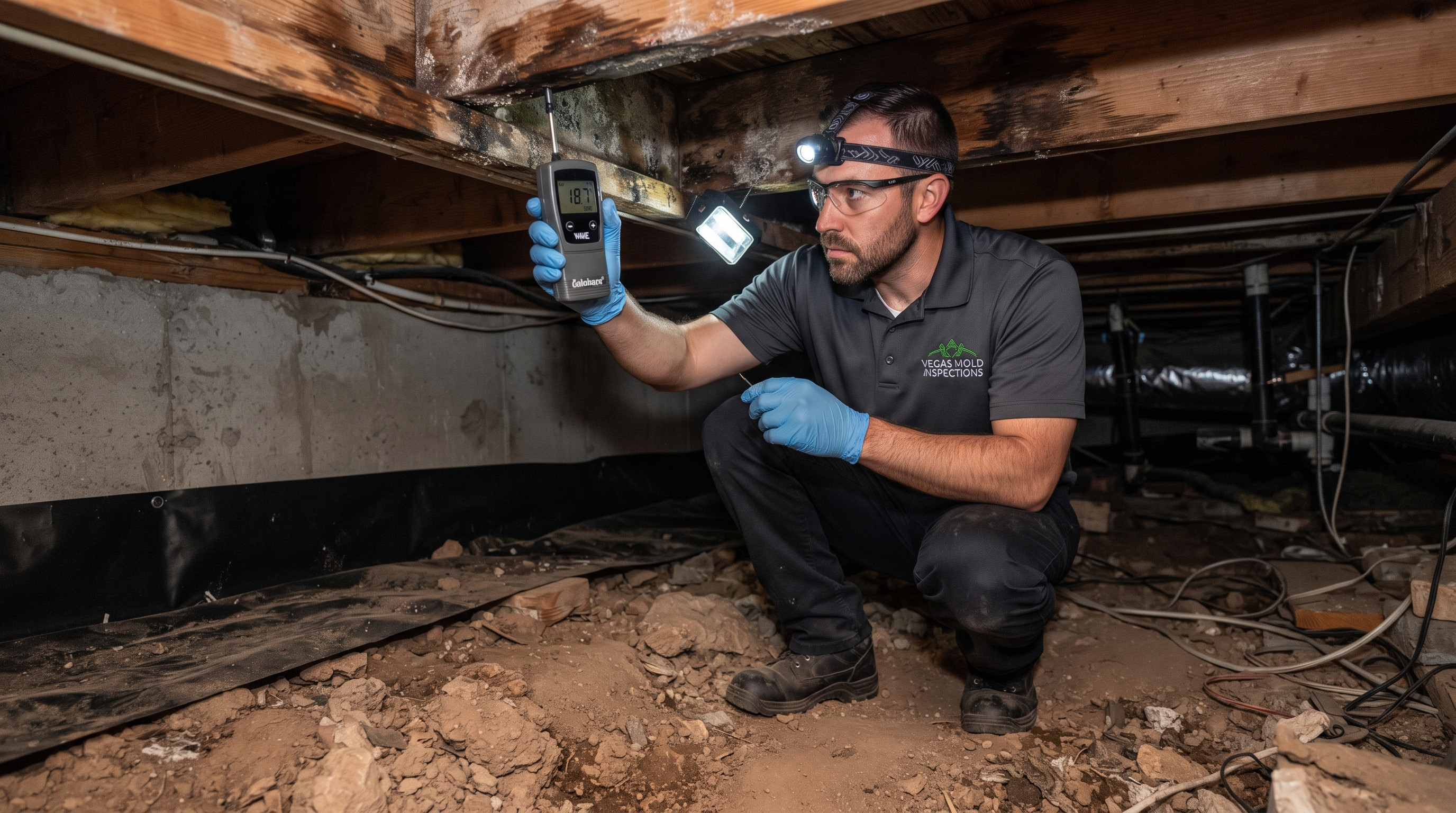
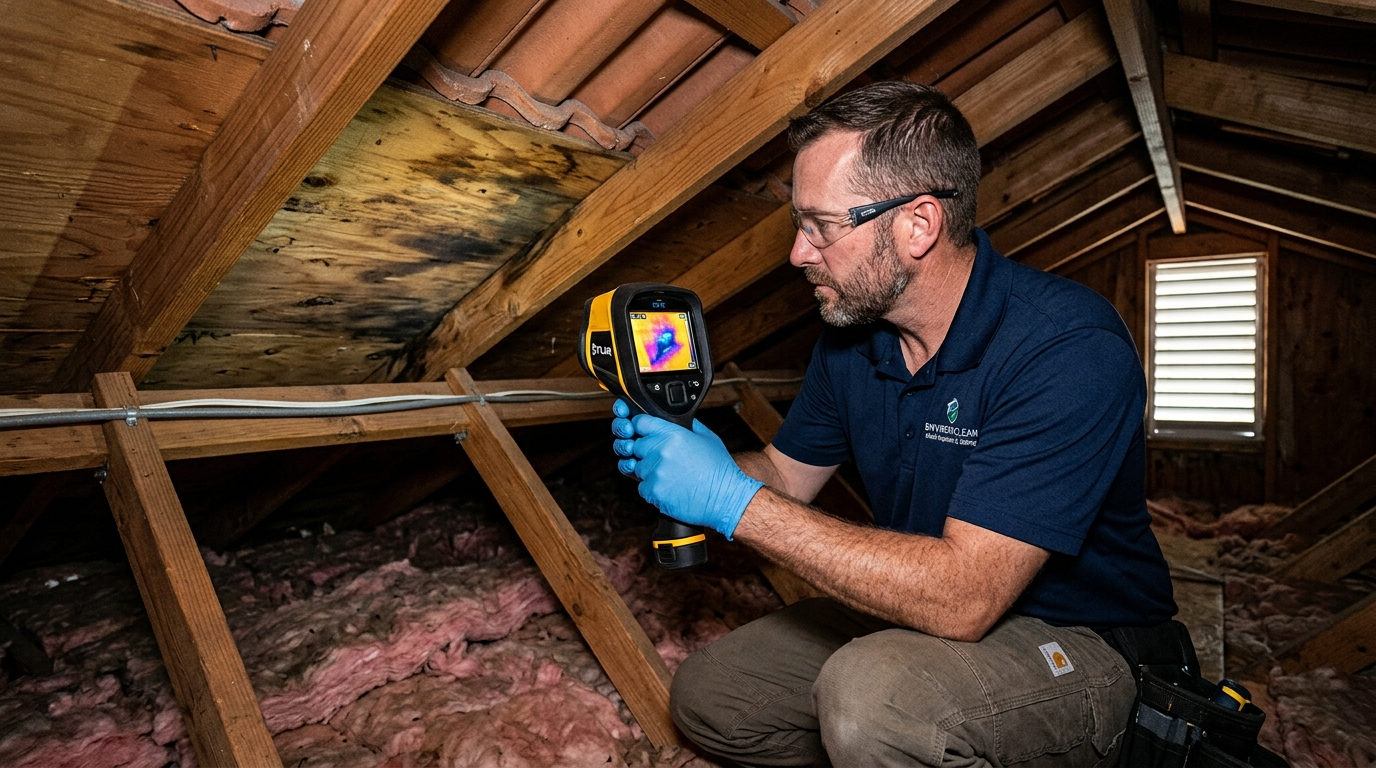
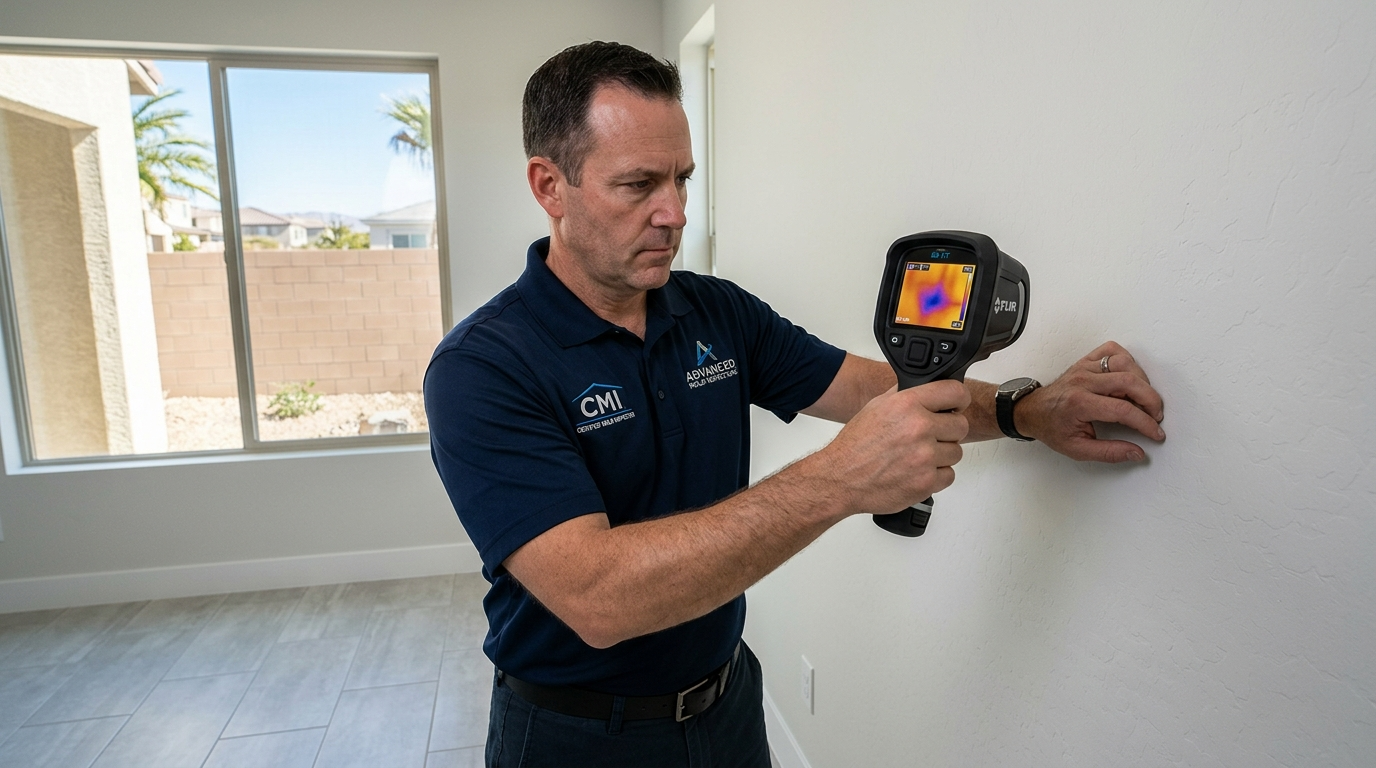
Professional mold testing begins with a thorough visual inspection and moisture assessment. Sampling is strategic, not random. Air samples are collected from areas of concern and compared to exterior controls.
Once laboratory analysis is complete, findings are compiled into a clear, structured report. This report includes spore identification, concentration data, and professional interpretation.
In Las Vegas, attention to HVAC systems, attic spaces, and concealed plumbing areas is particularly important due to localized moisture patterns.
Las Vegas Mold Testing approaches every project with a clinical, safety-focused mindset. Our priority is clarity, not alarmism.
Frequently Asked Questions About Mold Testing Labs
Are mold labs testing for toxic mold?
Labs identify spore types and concentrations. Toxicity depends on conditions and exposure levels, which are interpreted by professionals.
How long does lab analysis take?
Most laboratory results are available within one to two business days, depending on sample type.
Can dust interfere with results in Las Vegas homes?
Experienced analysts distinguish between dust particles and mold spores through microscopic evaluation.
Is mold testing necessary before remediation?
In many cases, testing provides documentation and confirms the scope of the issue before work begins.
Why Las Vegas Mold Testing Is Trusted for Accurate Results
Mold concerns require scientific precision. Improper sampling or unqualified analysis can lead to incorrect conclusions, unnecessary remediation, or missed contamination.
Las Vegas Mold Testing works with certified laboratories, follows strict documentation protocols, and provides clear interpretation grounded in environmental science. We do not exaggerate findings. We present data responsibly so property owners can act confidently.
If you suspect mold in your home or commercial property, schedule a professional inspection with Las Vegas Mold Testing today. Get accurate laboratory-backed results and the clarity you need to protect your health and investment.
Contact Form
Check Out Our Other Environmental Blogs!