
FLIR Thermal Imaging — When It’s Used and What It Reveals
FLIR thermal imaging is a non-invasive inspection tool used to identify temperature patterns that may indicate moisture intrusion or building irregularities.
What is FLIR Thermal Imaging?
FLIR thermal imaging is commonly used as part of a professional inspection when hidden moisture or temperature inconsistencies are suspected. It allows inspectors to evaluate areas that may not be visible during a standard visual assessment.
What FLIR Thermal Imaging Is Used For
- Accurate Moisture Detection: Thermal imaging detects even the slightest temperature differences, helping us locate hidden moisture that could lead to mold growth.
- Non-Invasive Moisture Detection: Our thermal imaging inspections are completely non-invasive, meaning there’s no need to cut into walls or disrupt your property to find potential issues.
- Comprehensive Inspections: FLIR technology enables us to inspect hard-to-reach areas, such as behind walls and under floors, ensuring no spot is left unchecked.
- Early Mold Detection: By identifying moisture problems early, we can detect potential mold growth before it becomes visible, protecting your property and your health.
- Documentation and Reporting: We provide detailed thermal images along with a comprehensive report that explains the findings, making it easier for you to understand the condition of your property.
How Thermal Imaging Is Used During an Inspection
- Initial Assessment: We begin with a visual inspection of your property to identify any obvious signs of moisture or mold.
- Thermal Imaging Scan: Using the FLIR thermal camera, we scan your property, focusing on areas where moisture is most likely to accumulate, such as around windows, doors, plumbing, and in basements or attics.
- Analyze Results: Our certified inspectors analyze the thermal images to identify cold spots or anomalies that may indicate the presence of moisture or mold.
- Report and Recommendations: After the scan, we provide a detailed report, including thermal images, that outlines any issues we found. If necessary, we’ll recommend steps to address the moisture or mold problem, which may include further testing or remediation.
When FLIR Thermal Imaging Is Commonly Recommended
- Residential Inspections: Ideal for homeowners who suspect hidden moisture or mold issues.
- Commercial Property Inspections: Useful for property managers and business owners to ensure a safe environment for tenants and employees.
- Pre-Purchase Inspections: FLIR thermal imaging is an excellent tool for prospective homebuyers who want to ensure their investment is free from hidden moisture problems.
Why Las Vegas Mold Testing?
- Certified Experts: Our team is trained and certified in using FLIR thermal imaging technology, ensuring accurate and reliable results.
- Local Knowledge: We understand the unique challenges that properties in the Las Vegas area face, from extreme temperatures to specific building practices.
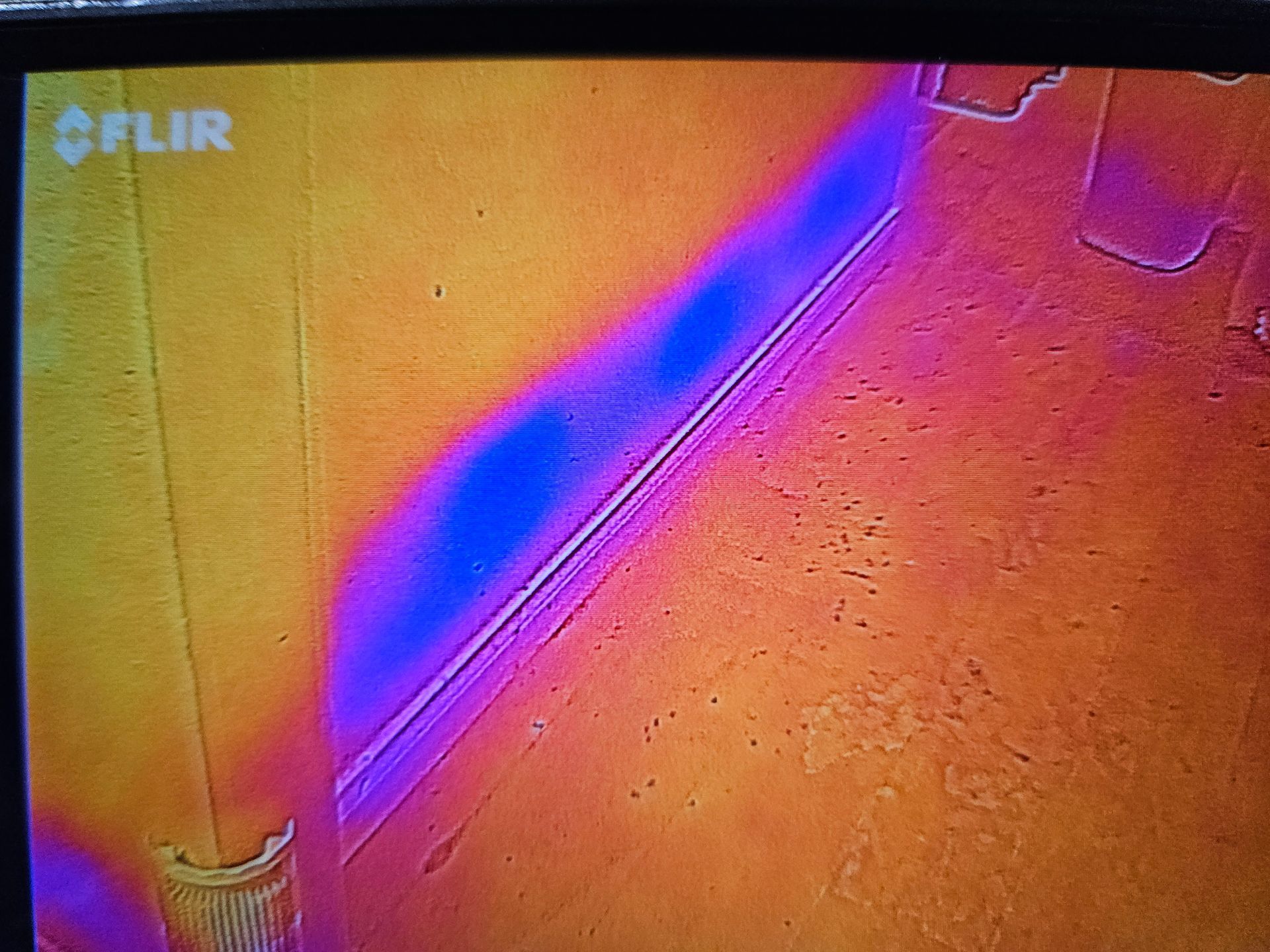
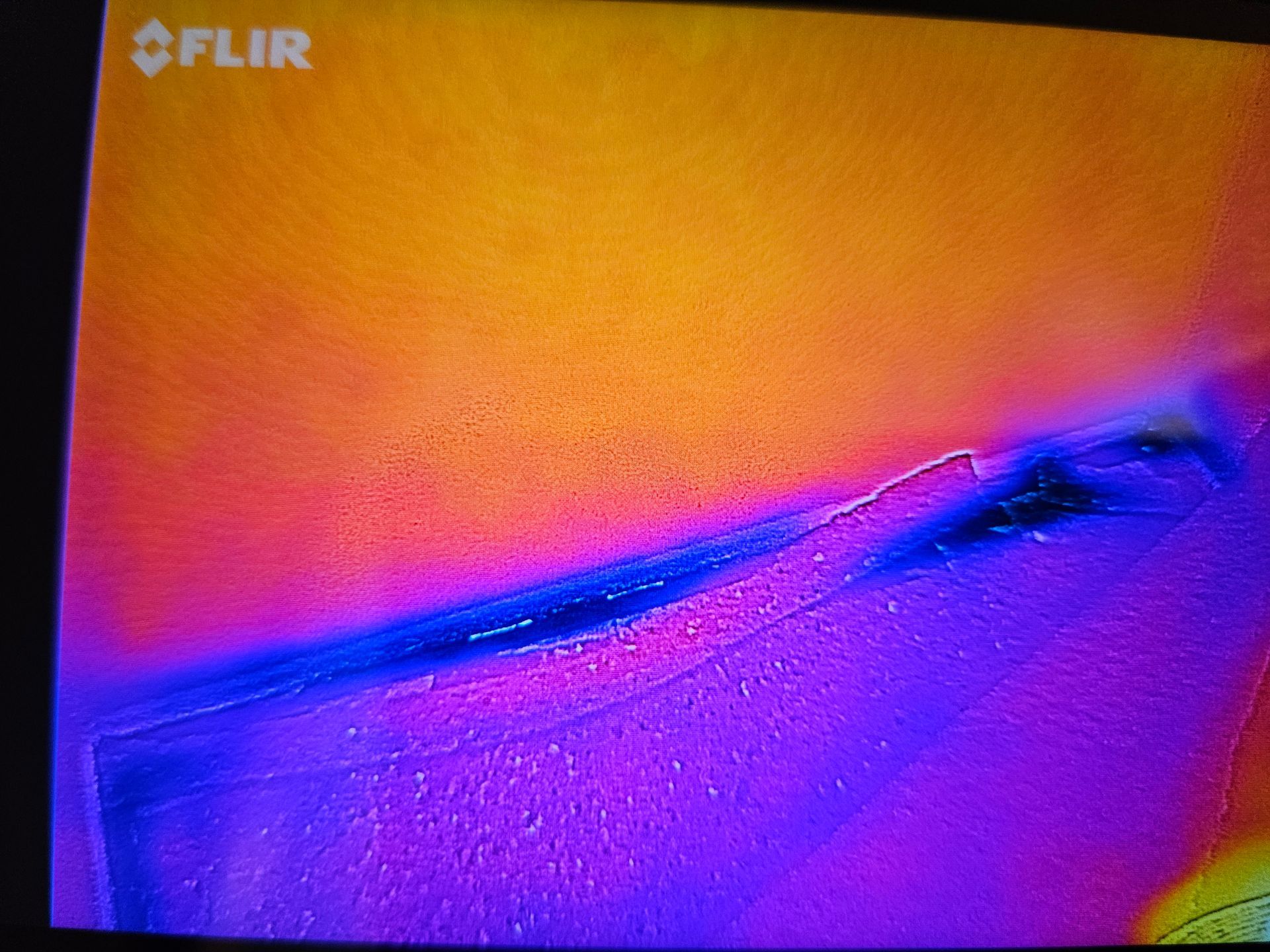
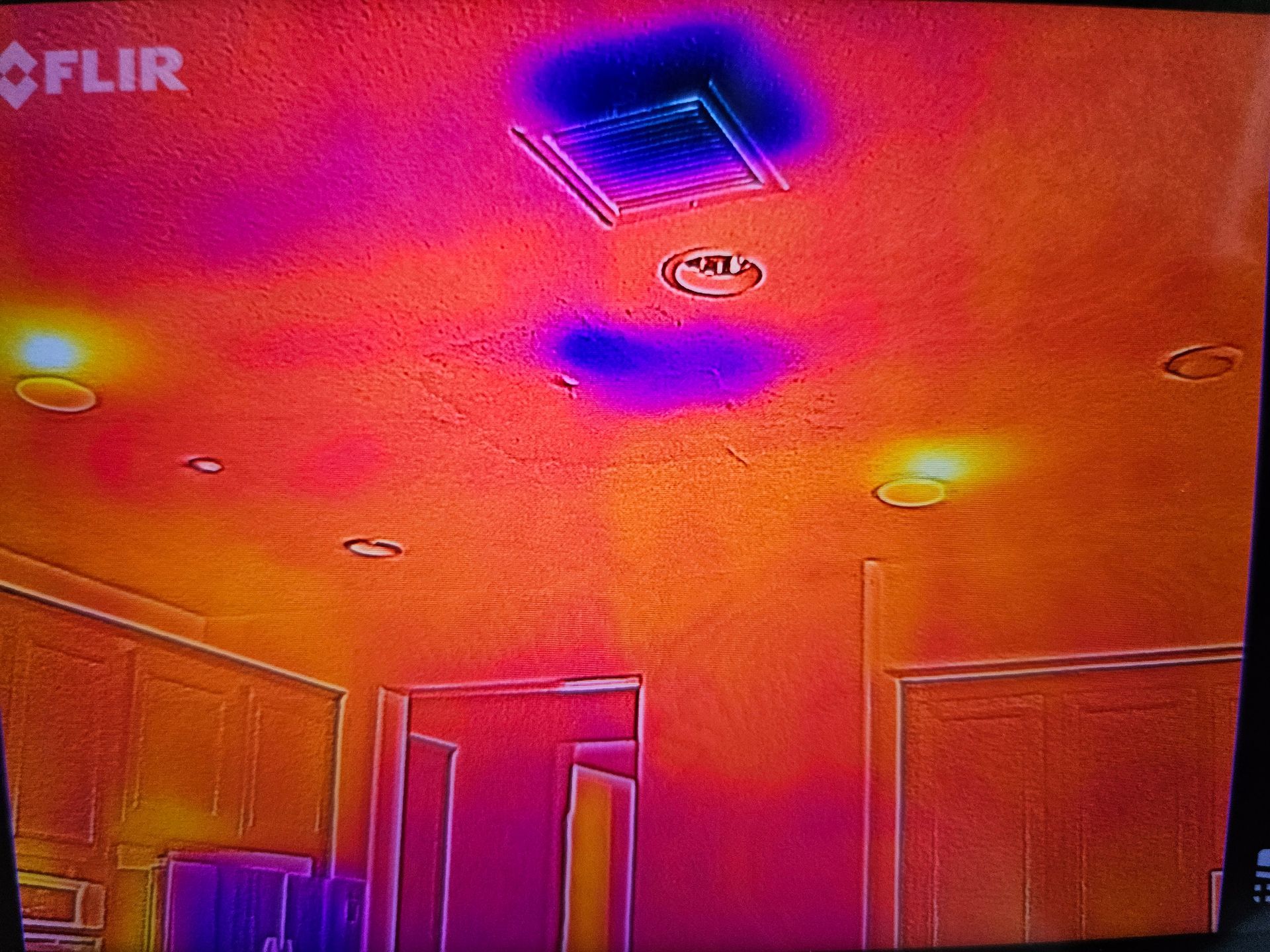
Examples of thermal patterns observed during inspections
Don't let hidden mold issues affect you or your families health.
Mold growth, especially when undetected, can lead to a range of health problems, including allergies, respiratory issues, and other serious conditions. Even if mold isn’t visible, it can still be present behind walls, under floors, or in other hidden areas of your home.
FLIR thermal imaging allows us to identify moisture problems before they escalate into mold infestations. By catching these issues early, we can help you maintain a healthy living environment, ensuring that your home is safe for you and your loved ones.
Take a proactive approach to your family’s health by scheduling a FLIR thermal imaging inspection today. Our advanced technology and expertise provide peace of mind, knowing that you’re taking the necessary steps to protect those who matter most.
Request an Inspection With Thermal Imaging
FAQ: FLIR Thermal Imaging
What is FLIR thermal imaging used for?
FLIR technology detects temperature variations in walls, ceilings, and floors, helping us locate hidden moisture that can lead to mold growth.
Can thermal imaging detect mold directly?
Thermal imaging doesn’t detect mold itself, but it pinpoints hidden moisture that often leads to mold growth. We combine it with sampling for accurate results.
When should I consider adding thermal imaging?
It’s especially useful if you suspect leaks, have a history of water damage, or want extra assurance during a property inspection.
Is thermal imaging invasive?
No. It’s a non-invasive tool that allows us to see potential problem areas without cutting into walls or ceilings.