Common Myths About Mold Testing - Debunking Misconceptions That Can Put Homes at Risk
Mold is one of the most misunderstood issues homeowners face. In a dry climate like Las Vegas, many people assume mold problems are rare or easy to spot without professional help. Unfortunately, misinformation about mold testing often leads to delayed detection, hidden contamination, and unnecessary health risks.
Understanding the truth behind common mold testing myths helps property owners make better decisions about indoor air quality and environmental safety. Professional testing is not just about confirming mold presence - it is about identifying hidden growth, understanding exposure levels, and protecting the health of occupants.
Below are several of the most common misconceptions about mold testing and the facts that homeowners should know.
Myth 1 - If You Cannot See Mold, It Is Not a Problem
One of the most widespread myths is that mold is only a concern when it becomes visible on walls or ceilings. In reality, mold often grows in hidden areas long before visible signs appear.
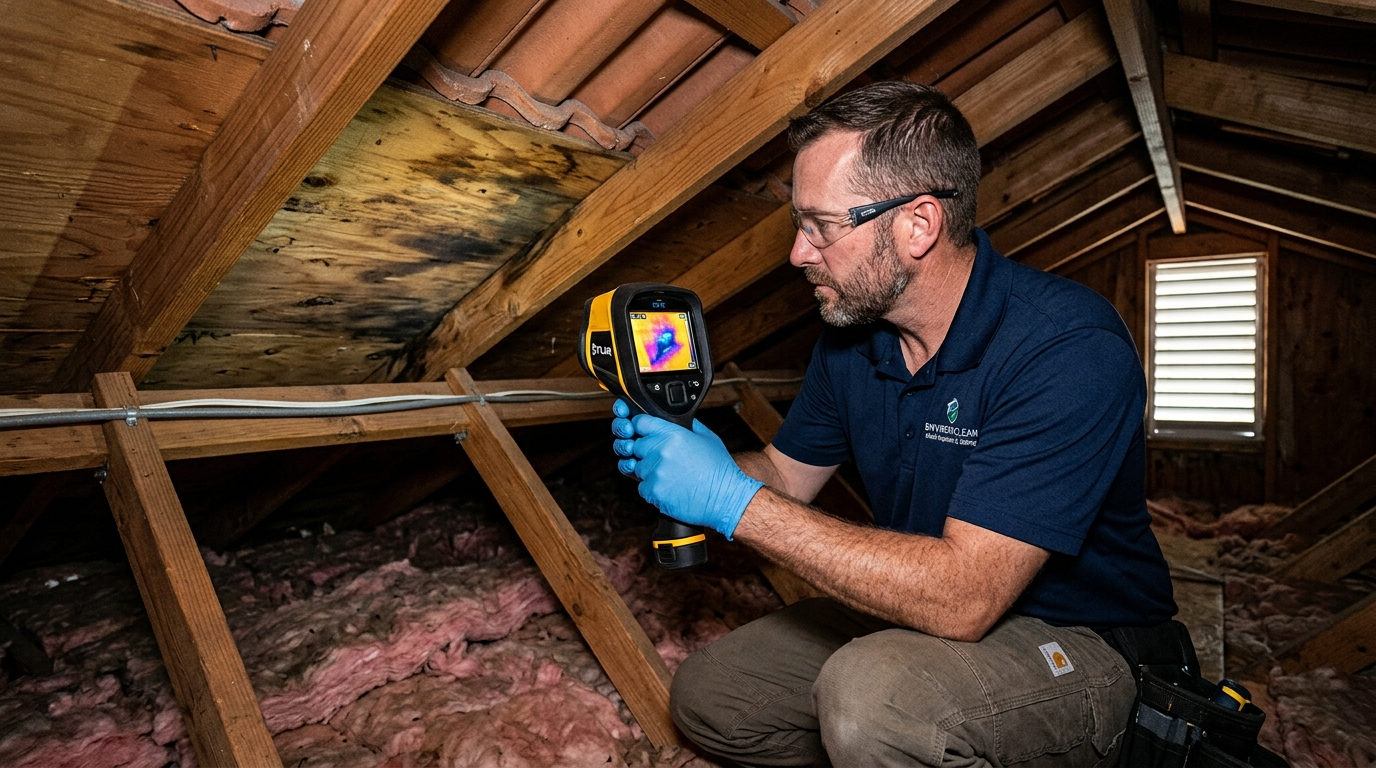
Mold thrives in dark, humid environments where moisture is present. Common hidden locations include wall cavities, HVAC systems, insulation, crawlspaces, and behind cabinets or appliances. In many cases, mold spores spread through the air long before the colony becomes visible.
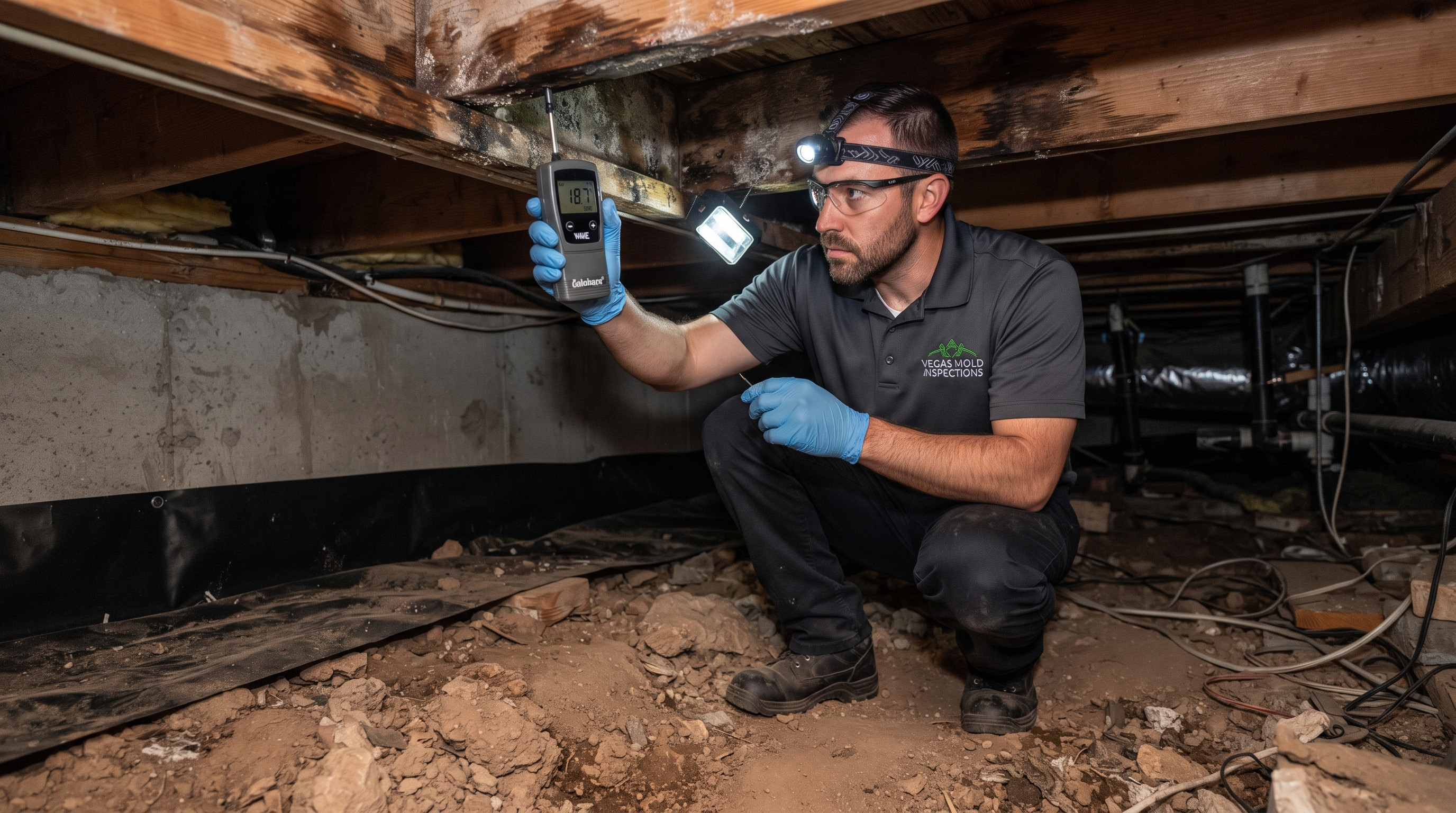
Professional mold testing uses air sampling and surface analysis to detect elevated mold spore levels even when no visible growth is present. This type of testing can reveal hidden contamination that might otherwise go undetected for months or even years.
In homes with unexplained odors, water damage history, or persistent respiratory symptoms, testing can provide critical answers.
Myth 2 - Mold Only Grows in Humid Climates
Many homeowners assume that mold is primarily a problem in humid regions like coastal or tropical areas. While moisture does play a key role in mold growth, mold can develop anywhere water intrusion occurs.
Las Vegas may have a dry desert climate, but indoor moisture problems still happen frequently. Plumbing leaks, roof damage, HVAC condensation, appliance failures, and bathroom humidity can all create localized moisture conditions that allow mold to grow.
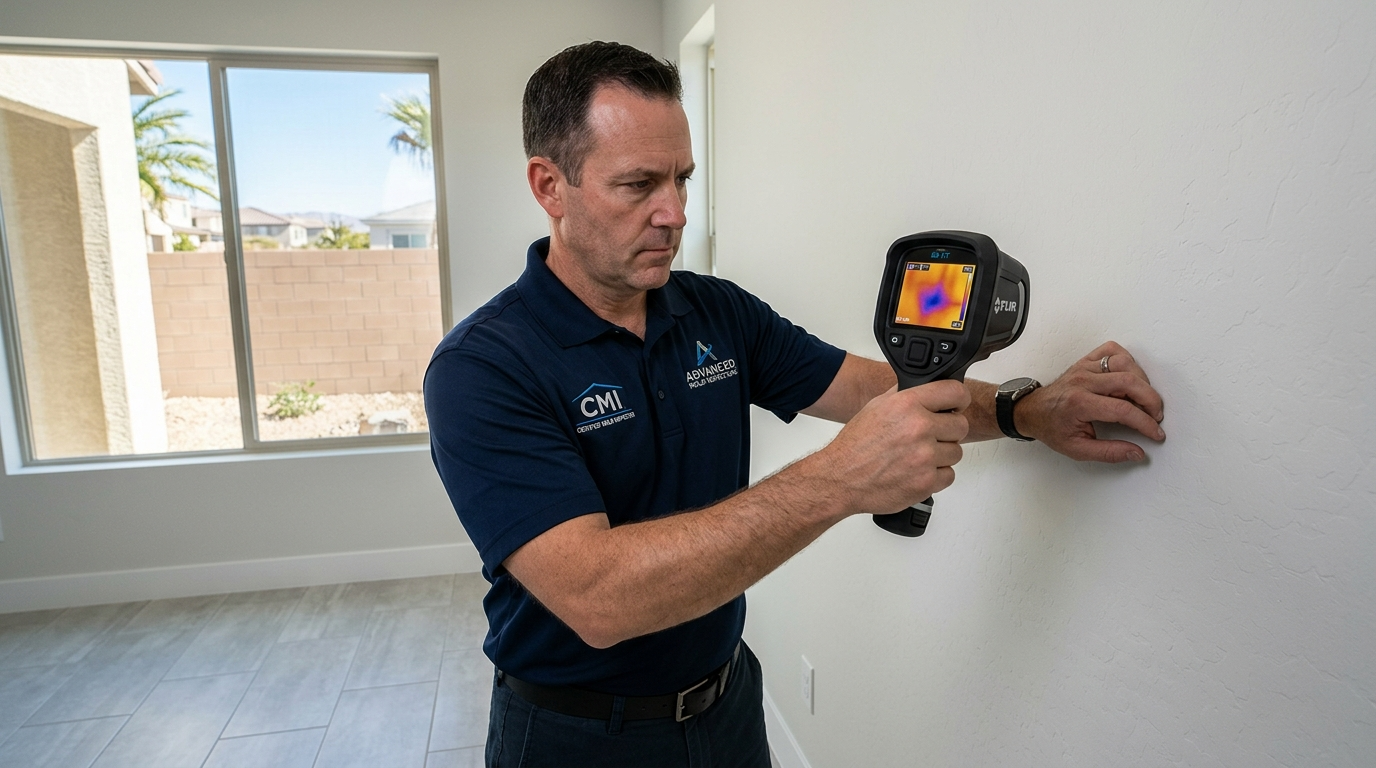
Because desert climates are typically dry, hidden leaks may go unnoticed longer than they would in humid environments. Mold colonies can develop quietly inside walls or under flooring without obvious warning signs.
Mold testing helps determine whether hidden moisture issues have created conditions that support mold growth inside the property.
Myth 3 - Mold Testing Is Only Necessary When Mold Is Visible
Another common misconception is that mold testing is unnecessary if visible mold is already present. While visible growth may indicate a mold problem, testing still plays an important role in determining the full scope of contamination.
Different types of mold produce different levels of airborne spores. Without testing, it is difficult to know how far contamination has spread or whether elevated mold levels are affecting indoor air quality.
Air sampling helps determine whether mold spores are circulating throughout the home, while surface sampling can identify the species present. This information helps guide appropriate remediation and ensures the problem is fully addressed.
Testing also establishes baseline data that can later confirm whether cleanup efforts were successful.
Myth 4 - Home Mold Test Kits Are Just as Reliable as Professional Testing
DIY mold test kits are widely available online and in home improvement stores. While these kits may detect the presence of mold spores, they often produce misleading or incomplete results.
Mold spores exist naturally in both indoor and outdoor environments. Simply detecting spores does not necessarily indicate a problem. What matters is the concentration of spores and the comparison between indoor and outdoor levels.
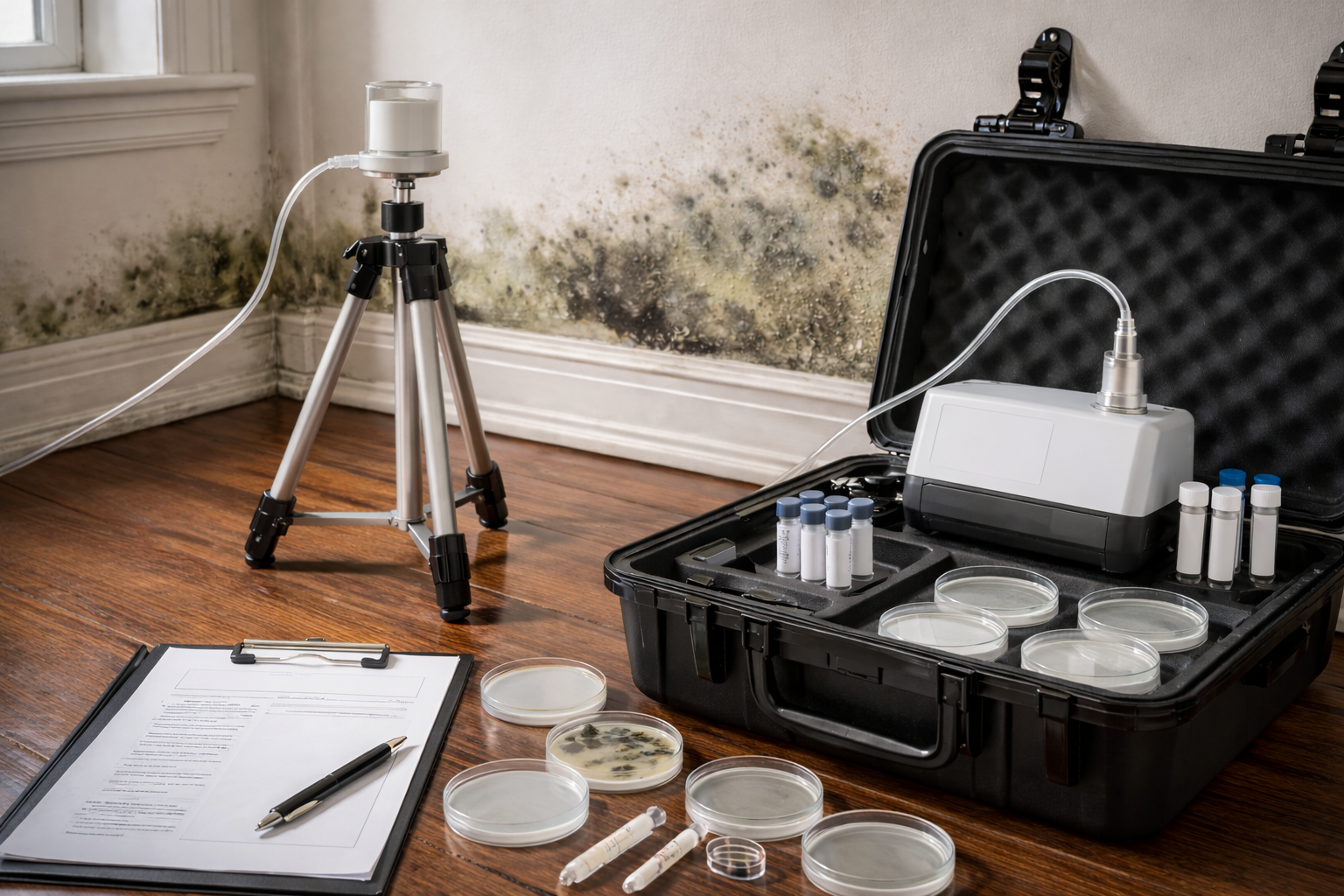
Professional mold testing uses calibrated air sampling equipment and laboratory analysis to measure spore counts accurately. Samples are evaluated by certified laboratories that can identify mold species and determine whether indoor levels are elevated.
This level of precision allows inspectors to distinguish between normal background spores and potential contamination.
Myth 5 - Bleach Completely Solves Mold Problems
Many homeowners believe that cleaning visible mold with bleach eliminates the issue entirely. While bleach may remove surface staining on non porous materials, it rarely solves the underlying problem.
Mold roots can penetrate porous materials such as drywall, wood, and insulation. Surface cleaning may temporarily hide the growth while the colony continues to develop beneath the surface.
In addition, bleach does not address the moisture source that allowed mold to grow in the first place. Without correcting the underlying water issue, mold often returns.
Mold testing helps determine whether contamination extends beyond visible areas and whether airborne spores remain present after cleaning attempts.
Myth 6 - Mold Testing Is Only for Major Contamination
Some homeowners assume mold testing is only necessary for severe infestations or large scale water damage. In reality, testing can be valuable even when problems appear minor.
Early detection is one of the most effective ways to prevent mold from spreading throughout a property. Testing can identify elevated spore levels before extensive growth develops.
This is especially important for individuals with respiratory sensitivities, allergies, asthma, or weakened immune systems. Even moderate mold exposure can affect indoor air quality and occupant comfort.
Routine testing can also be helpful during real estate transactions, after water damage incidents, or when unexplained health symptoms occur within a home.
Why Accurate Mold Testing Matters for Indoor Air Quality
Mold is not just a structural issue - it is also an indoor environmental concern. Mold spores are microscopic and easily become airborne, allowing them to circulate through ventilation systems and indoor spaces.
Professional mold testing evaluates the air you breathe, identifying potential contamination that could impact occupant health. Accurate testing provides the information needed to make informed decisions about remediation and environmental safety.
Without proper testing, mold problems are often underestimated or misdiagnosed.
Professional Mold Testing in Las Vegas
Homes and buildings in Las Vegas face unique environmental conditions. Desert dust, temperature fluctuations, and occasional water intrusion events can create situations where mold growth develops quietly.
Professional testing helps property owners understand what is happening within their indoor environment. By identifying mold levels early, homeowners can address moisture issues before contamination spreads throughout the structure.
Accurate testing is an essential first step toward maintaining a healthy indoor environment.
Why Homeowners Trust Las Vegas Mold Testing
Las Vegas Mold Testing provides independent, unbiased mold inspection and testing services designed to identify potential contamination quickly and accurately. The company focuses exclusively on testing and inspection, ensuring objective results without conflicts of interest related to remediation services.
Using advanced air sampling equipment and certified laboratory analysis, Las Vegas Mold Testing delivers detailed reports that help homeowners understand their indoor air quality and potential mold risks.
With a safety focused and educational approach, the company helps property owners make informed decisions about protecting their homes and families.
Schedule Professional Mold Testing for Peace of Mind
If you suspect mold, have experienced water damage, or simply want to confirm your indoor air quality, professional mold testing provides clarity and reassurance.
Las Vegas Mold Testing offers comprehensive inspections and accurate laboratory analysis throughout the Las Vegas area.
Contact Las Vegas Mold Testing today to schedule a professional mold evaluation and ensure your home remains safe, healthy, and mold free.
Contact Form
Check Out Our Other Environmental Blogs!