Why Strange Indoor Odors Are a Serious Warning Sign for Homeowners
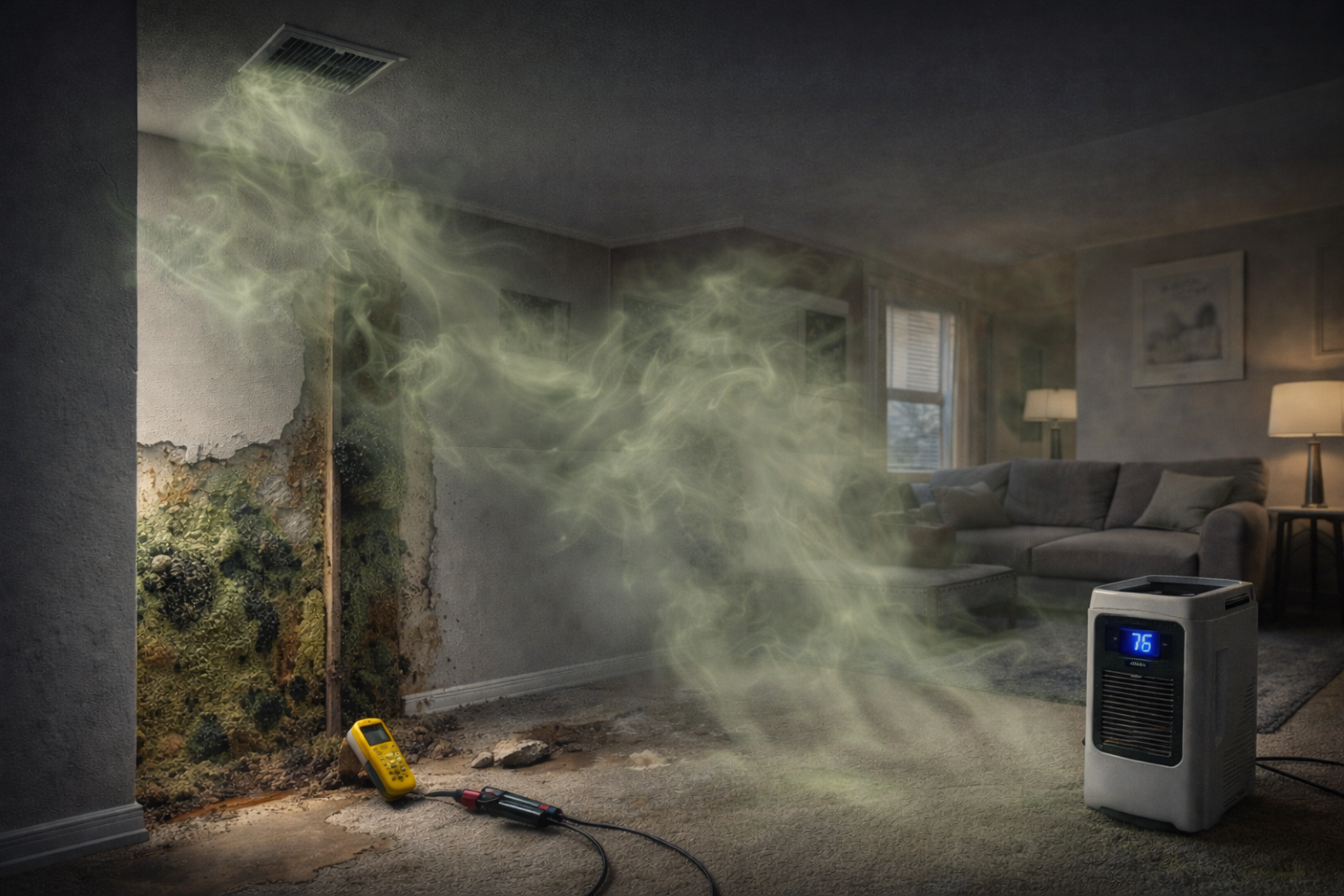
A home should smell neutral, clean, and familiar. When an unusual odor appears and lingers, it is rarely random. Strange indoor smells are often one of the earliest indicators that something is wrong inside the structure or air system of a home. Ignoring them can allow hidden problems to worsen quietly, sometimes for months or even years.
At Las Vegas Mold Testing, we regularly investigate odor complaints that turn out to be mold growth, moisture intrusion, or air quality issues hidden behind walls, under floors, or inside HVAC systems. These problems do not resolve on their own. They progress.
What Causes Persistent Odors Inside a Home
Not all odors are created equal. A brief smell tied to cooking, pets, or outdoor air usually fades quickly. Persistent or recurring odors are different. They point to an ongoing source.
Common causes include:
• Hidden moisture from leaks or condensation
• Mold or microbial growth inside walls or ceilings
• Wet insulation or drywall
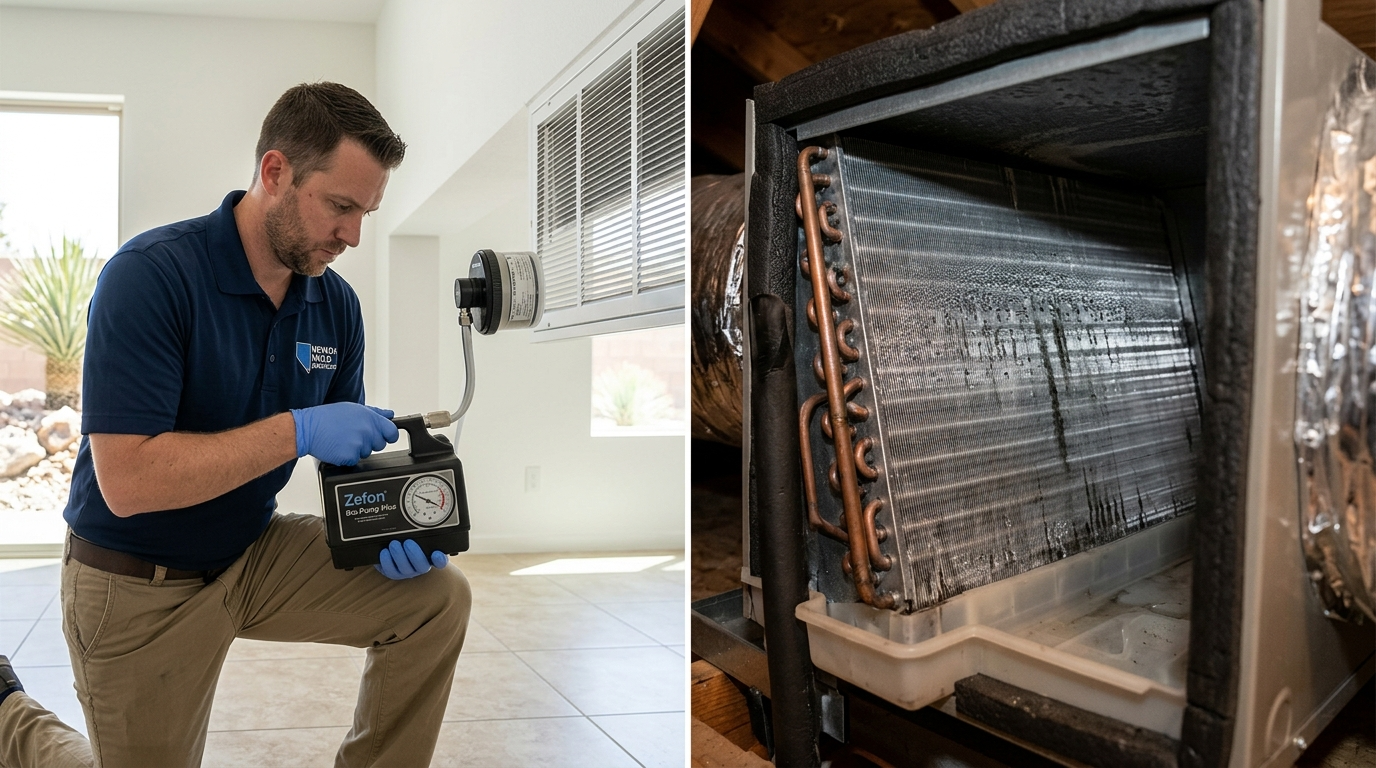
• HVAC contamination or poor ventilation
• Plumbing leaks beneath flooring
In Las Vegas homes, odors are often linked to air conditioning systems, slab leaks, or past water damage that never fully dried. Because our climate is dry most of the year, homeowners are often surprised to learn that moisture problems can still exist indoors.
Why Musty or Earthy Smells Are Especially Concerning
A musty, damp, or earthy odor is one of the most common reasons people call for mold testing. These smells are frequently associated with mold or bacterial growth feeding on organic building materials.
The challenge is that mold does not need to be visible to affect indoor air. Growth can occur behind baseboards, under carpet padding, inside wall cavities, or above ceilings. Odors may be the only clue something is wrong.
Masking the smell with air fresheners or cleaning products does nothing to address the source. In some cases, it can delay discovery while exposure continues.
Health Implications of Ignoring Indoor Odors
Odors themselves are not the health hazard. What causes them often is.
Mold and microbial growth can release spores and fragments into the air, impacting indoor air quality. Sensitive individuals may experience symptoms such as headaches, sinus irritation, coughing, fatigue, or worsening asthma. Others may notice no symptoms at all, which makes the risk easy to dismiss.
Children, elderly occupants, and those with respiratory conditions are especially vulnerable. Even when symptoms are mild, long-term exposure is not something to ignore.
Structural Damage That Odors Can Signal
Beyond health concerns, odors often indicate moisture where it does not belong. Moisture weakens building materials over time. Wood can rot, drywall can deteriorate, and insulation can lose effectiveness.
Left unaddressed, what starts as an odor complaint can turn into costly structural repairs. Early detection is key to minimizing damage and expense.
Why Odors Come and Go But Problems Remain
Many homeowners notice odors that seem to disappear temporarily. This can happen due to changes in temperature, humidity, or HVAC use. When the air conditioner runs, odors may spread more evenly or seem stronger. When windows are open, they may seem to fade.
The source, however, does not disappear. Fluctuating conditions simply change how noticeable the odor is. This pattern often leads people to delay action, assuming the issue resolved itself.
What Professional Mold Testing Looks Like
Professional testing focuses on identifying the source, not just confirming mold exists.
A proper evaluation may include:
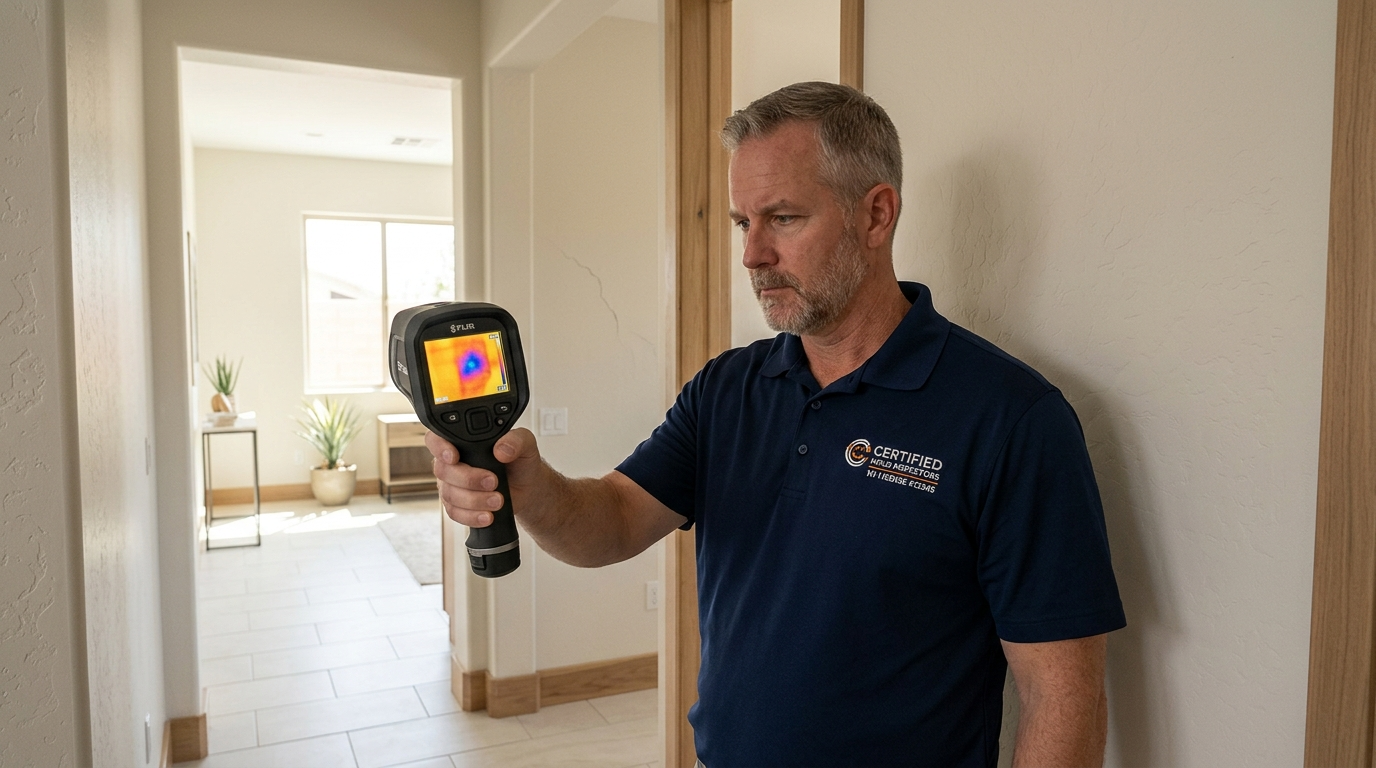
• Visual inspection of suspected areas
• Moisture readings of walls and floors
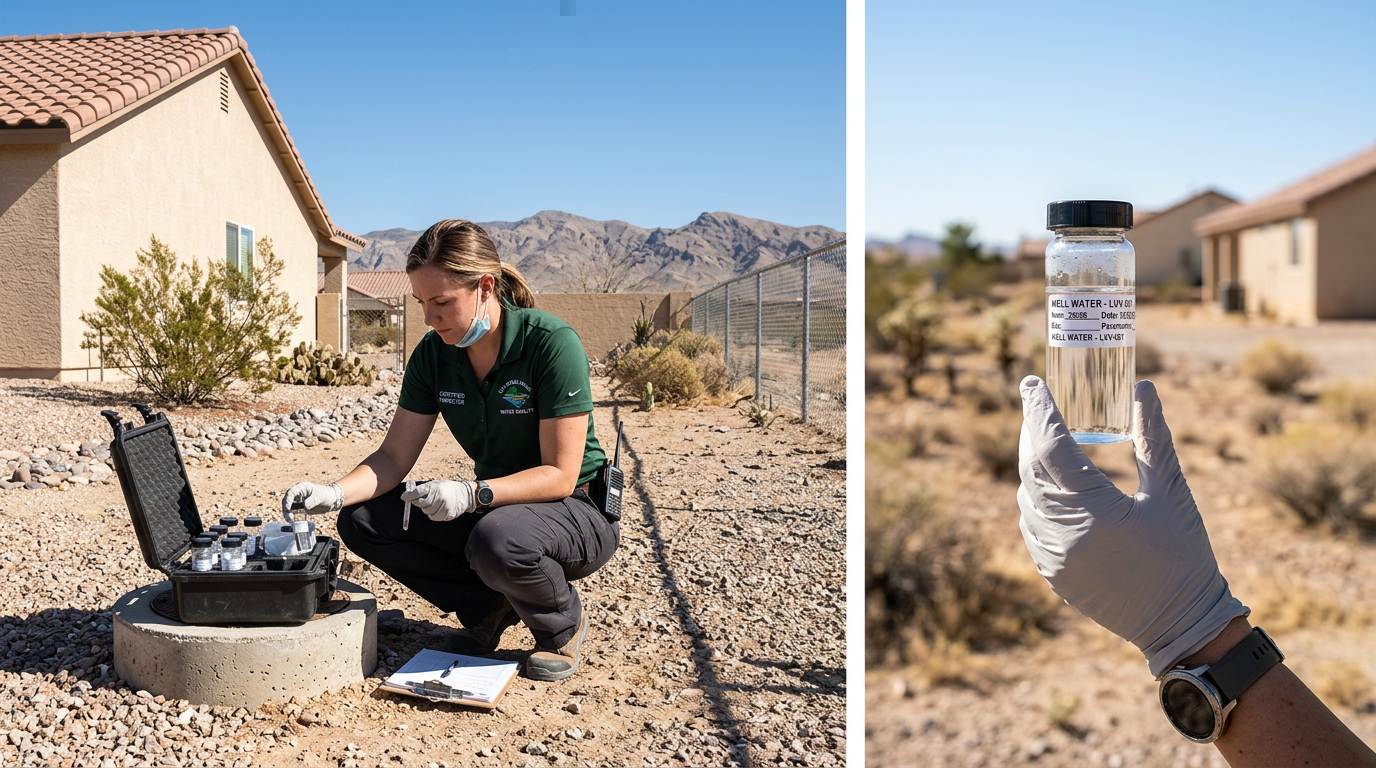
• Air sampling to assess indoor air quality
• Surface sampling when visible growth is present
Testing provides objective data. It helps determine whether mold is present, where it is likely located, and whether levels are elevated compared to outdoor air. This information is critical before any remediation decisions are made.
Why DIY Odor Fixes Often Fail
Bleach, sprays, ozone machines, and scented products are commonly used to combat smells. These approaches rarely solve the problem and can sometimes make it worse by disturbing hidden growth without removing it.
Without identifying and correcting the moisture source, odors will return. Professional assessment ensures the root cause is addressed, not just the symptom.
Who Should Take Indoor Odors Seriously
Strange indoor smells should never be ignored in the following situations:
• Homes with a history of water damage
• Properties with recent plumbing or HVAC issues
• Homes with occupants experiencing unexplained symptoms
• Real estate transactions where odors are present
• Rental properties with recurring tenant complaints
In these cases, testing protects both health and property value.
Why Early Action Saves Money and Stress
Addressing odor issues early often limits the scope of repairs. Small leaks are easier to fix than major moisture damage. Localized mold growth is easier to remediate than widespread contamination.
Testing provides clarity. It replaces uncertainty with facts and allows homeowners to make informed decisions before problems escalate.
What to Do If You Notice a Strange Smell in Your Home
If an unusual odor persists longer than a few days, take it seriously.
Steps to take include:
• Note when and where the smell is strongest
• Avoid masking it with fragrances
• Check for visible signs of moisture
• Schedule a professional inspection
Delaying action rarely improves the outcome.
Why Las Vegas Mold Testing Focuses on Education and Accuracy
We approach every odor concern with a clinical, safety-first mindset. Our goal is not to alarm homeowners, but to provide clear answers based on data and experience. Accurate testing helps determine whether mold is present and what steps, if any, are truly necessary.
Take Control of Your Indoor Air Quality
If your home has a strange odor you cannot explain, do not ignore it and hope it goes away. Early testing can protect your health, your home, and your peace of mind.
Contact Las Vegas Mold Testing to schedule a professional evaluation and get clear, reliable answers about what is happening inside your home.
Contact Form
Check Out Our Other Environmental Blogs!