Behind the Scenes of Professional Mold Testing Labs: What Really Happens After Sampling

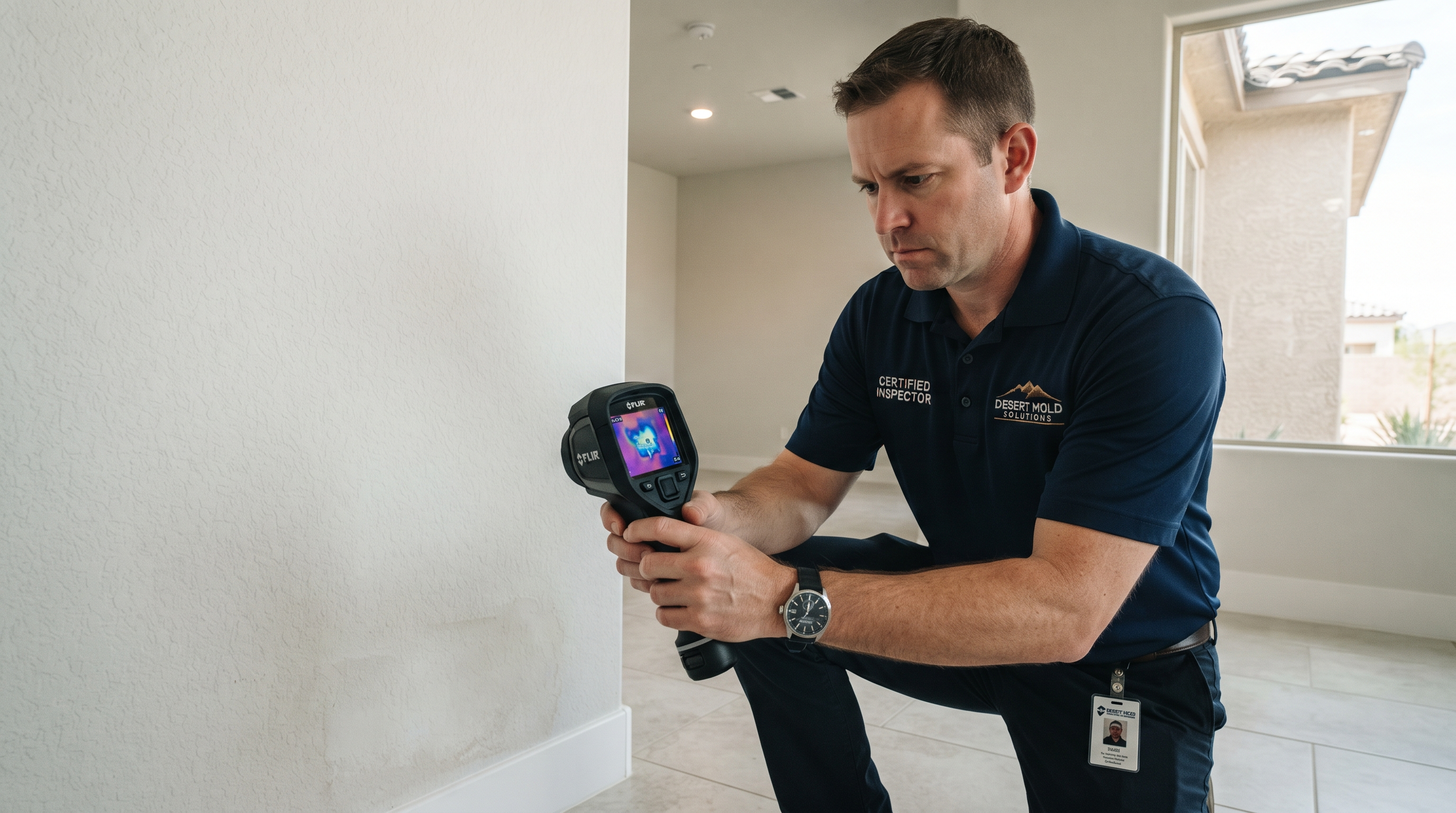
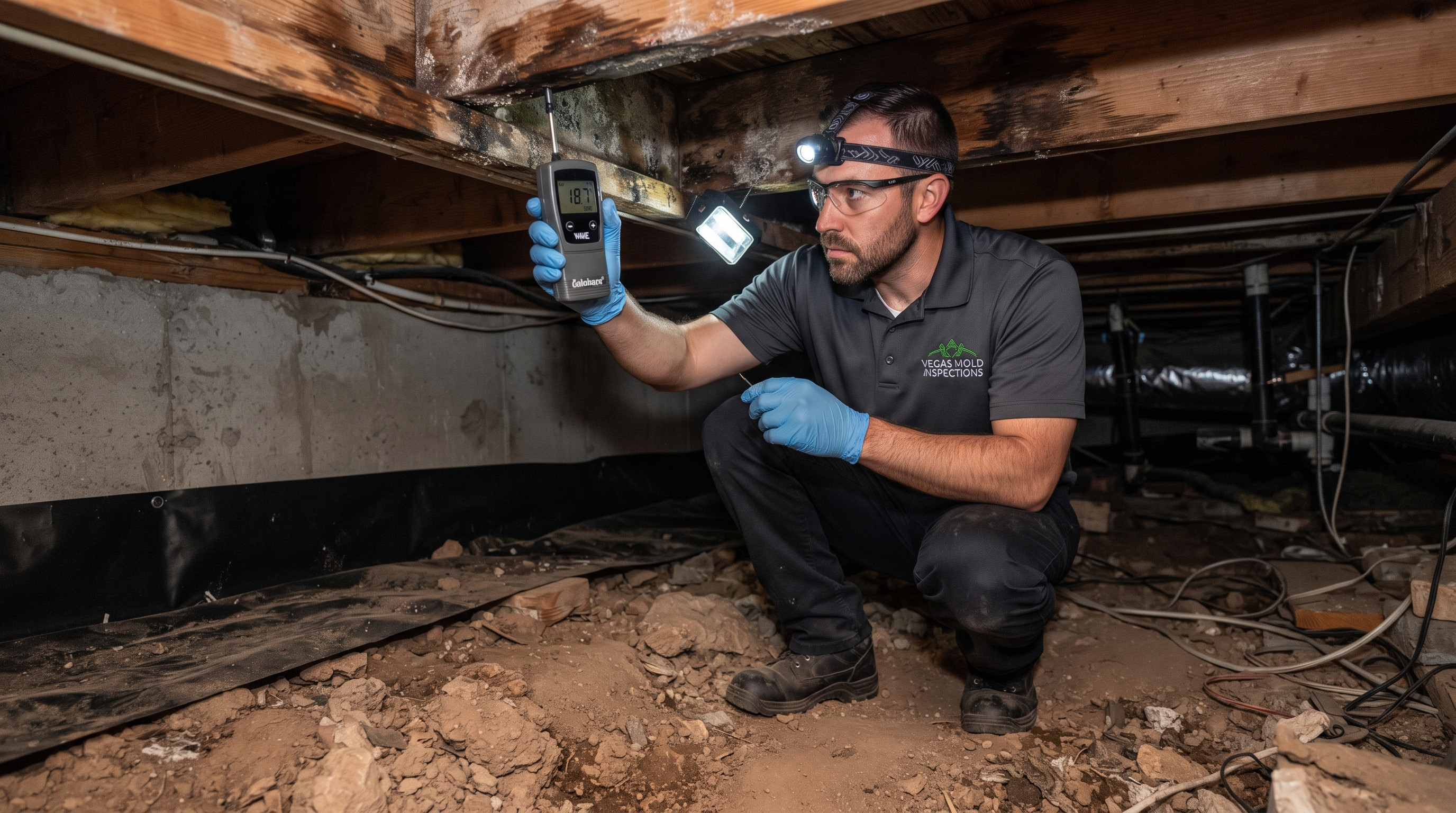
When people schedule a mold inspection, they often assume the most important work happens onsite. In reality, the laboratory analysis that follows is just as critical. Understanding how mold testing labs work helps homeowners and property managers make sense of their results and trust the decisions that follow.
This behind-the-scenes process is methodical, science-based, and designed to protect occupant health.
Why Laboratory Mold Analysis Matters for Accurate Results
Air and surface samples collected during a mold inspection are only raw data. Without proper laboratory analysis, those samples mean very little. Labs transform microscopic particles into actionable information by identifying mold types, spore concentrations, and patterns that point to moisture problems or hidden growth.
Accurate lab work helps determine whether mold levels are typical for the environment or elevated enough to require remediation. It also helps distinguish harmless outdoor spores from species more commonly associated with water damage.
How Mold Samples Are Logged and Tracked
Once samples arrive at a certified mold testing lab, chain of custody begins immediately. Each sample is carefully logged, labeled, and tracked to prevent contamination or mix-ups.
This intake process includes:
• Verifying sample IDs and locations
• Logging collection time and method
• Assigning the sample to trained analysts
• Maintaining controlled storage conditions
Strict tracking ensures results match the exact area tested and can be relied upon for health and property decisions.
Microscopic Analysis - Where the Real Work Happens
Most mold samples are analyzed using high-powered microscopes by trained analysts. Air samples are typically mounted on slides, while surface samples are prepared according to the material collected.
Under magnification, analysts:
• Identify mold spores by shape, size, and structure
• Count spore concentrations per cubic meter of air
• Compare indoor samples to outdoor control samples
This comparison is essential. Mold exists everywhere naturally, so labs focus on whether indoor levels exceed what would normally be expected outdoors.
Understanding Mold Species Identification
Not all mold is treated the same. Some species are more strongly associated with moisture intrusion or prolonged water damage.
Laboratories classify mold into broad groups such as:
• Common outdoor molds
• Water indicator molds
• Opportunistic molds
The lab report does not diagnose health conditions, but it provides valuable context for understanding risk levels and whether further action is warranted.
Quality Control Inside Mold Testing Laboratories
Reliable labs follow strict quality control procedures to ensure consistent results. This includes equipment calibration, analyst training, and internal audits.
Quality assurance measures often involve:
• Routine microscope calibration
• Duplicate sample reviews
• Peer verification of findings
• Adherence to industry standards
These safeguards reduce human error and ensure results are defensible if used for real estate, insurance, or legal purposes.
How Long Mold Testing Labs Take and Why Timing Matters
Most mold testing labs complete analysis within one to three business days. This timeline balances accuracy with urgency. Rushed analysis increases the risk of mistakes, while delays can slow important decisions about remediation or occupancy.
Turnaround time may vary based on:
• Number of samples submitted
• Sample type
• Laboratory workload
Professional inspectors coordinate closely with labs to keep the process efficient without sacrificing accuracy.
What Mold Lab Reports Actually Tell You
A mold lab report is not a simple pass or fail document. It provides data that must be interpreted within the context of the property.
Reports typically include:
• Mold types identified
• Spore concentrations
• Indoor versus outdoor comparisons
• Notes on unusual findings
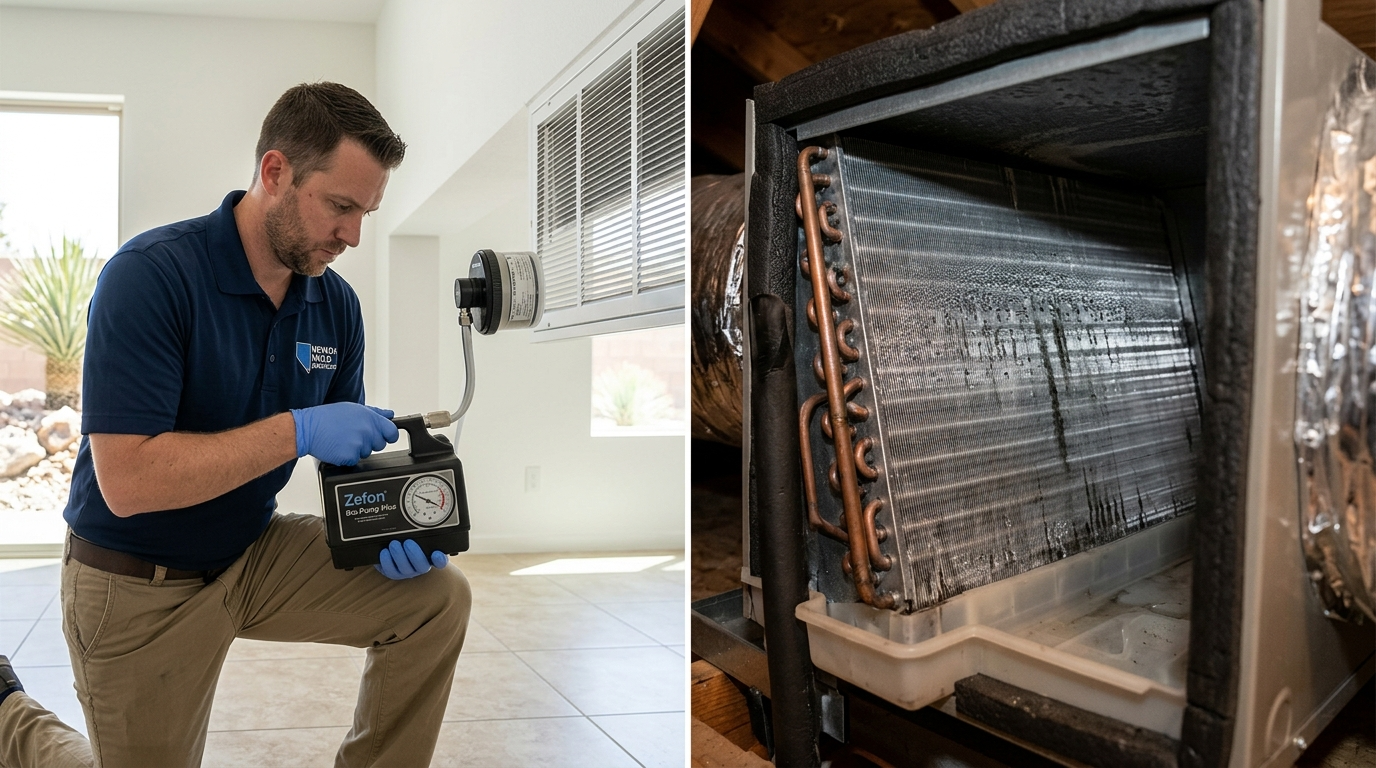
Interpreting these results requires experience. Elevated mold levels may point to hidden moisture issues, HVAC contamination, or past water damage even when visible mold is not present.
Who Mold Lab Testing Is Most Important For
Laboratory mold analysis is especially important for:
• Homebuyers and sellers
• Property managers
• Families with respiratory concerns
• Commercial building owners
Lab-backed results provide clarity when visual inspections alone are not enough.
How Professional Mold Testing Services Use Lab Data
A reputable mold testing company does not stop at delivering a lab report. The results are used to guide next steps, whether that involves moisture investigation, remediation recommendations, or clearance testing.
Professional services explain:
• What the results mean for the specific property
• Whether mold levels are typical or concerning
• If further testing or corrective action is needed
This interpretation bridges the gap between laboratory science and real-world decisions.
Why Clients Trust Las Vegas Mold Testing
Las Vegas Mold Testing works with accredited laboratories to provide reliable, defensible results. Our approach is educational and safety-focused, ensuring clients understand not just the numbers, but what those numbers mean for their home or business.
By combining thorough inspections with professional lab analysis, we help clients make informed decisions without unnecessary alarm or guesswork.
What Homeowners Should Know Before Mold Testing
Before scheduling mold testing, it helps to understand:
• Labs identify and quantify mold, not diagnose illness
• Results must be interpreted alongside inspection findings
• Proper sampling and lab work go hand in hand
Choosing a qualified testing provider ensures laboratory results are accurate, meaningful, and useful.
Schedule Professional Mold Testing with Confidence
If you suspect mold or want clarity about your indoor air quality, professional testing backed by reliable lab analysis makes all the difference.
Contact Las Vegas Mold Testing to schedule an inspection and get science-based answers you can trust.
Contact Form
Check Out Our Other Environmental Blogs!