The Role of Mold Testing in Insurance Claims
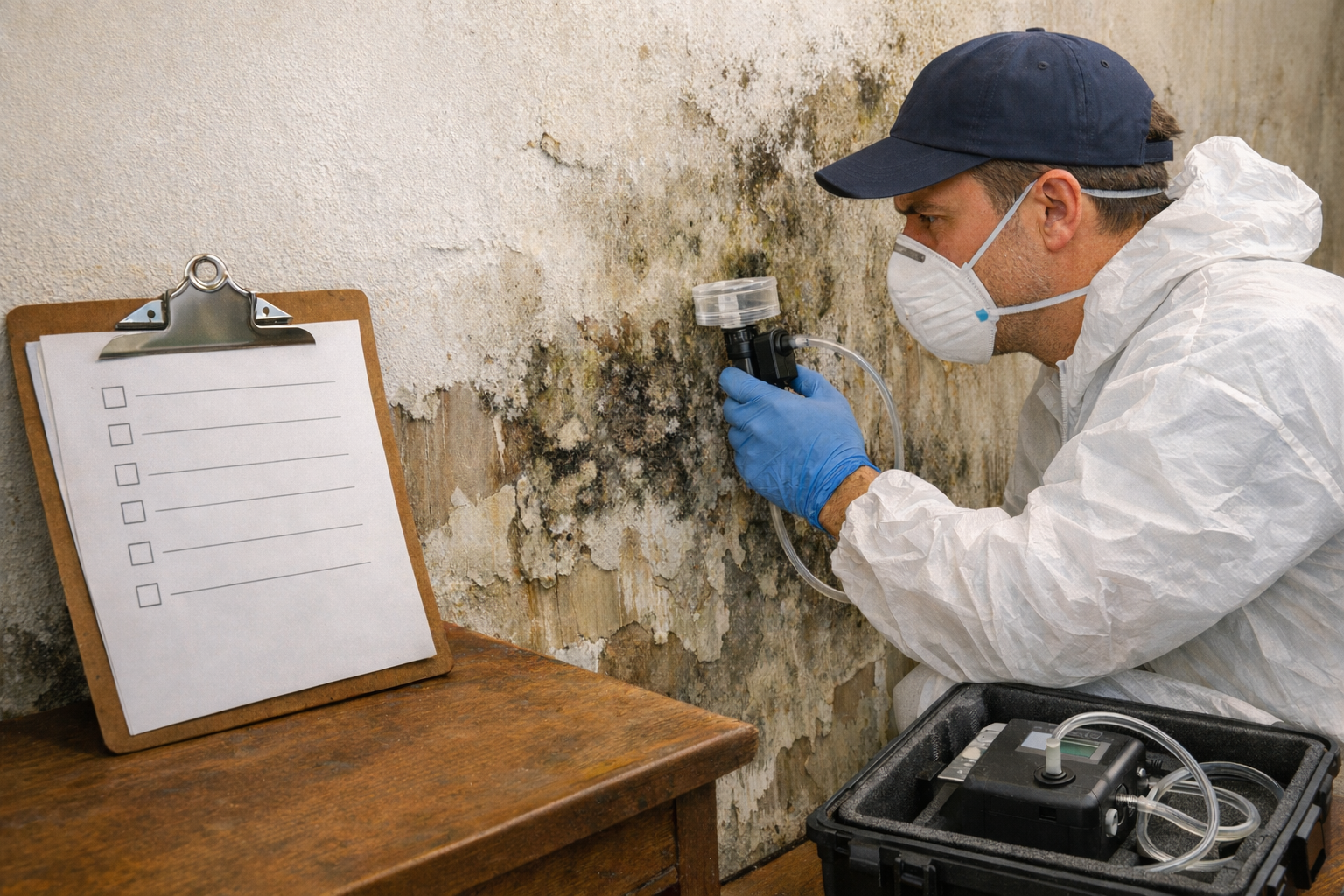
When mold is discovered in a home or commercial building, property owners often have two immediate concerns - how serious the problem is and whether insurance will help cover the damage. Mold testing plays an important role in answering both questions. It helps document the presence of mold, identify the extent of contamination, and create a clear record that may support an insurance claim when covered water damage or related events are involved.
Why Mold Testing Matters When Filing an Insurance Claim
Insurance claims involving mold can become complicated very quickly. Many policies place limits on mold coverage, exclude long-term maintenance issues, or only provide payment when mold results from a sudden and covered event such as a burst pipe, appliance leak, or storm-related water intrusion. In these situations, documentation matters.
Mold testing helps establish objective evidence. Instead of relying on visible staining, odor, or assumptions, testing provides measurable information about spore levels, likely contamination zones, and in many cases the type of mold growth present. That data can help property owners, adjusters, remediation contractors, and other parties better understand whether the problem appears isolated or widespread.
For insurance purposes, the value of testing often lies in creating a defensible record. A professional inspection and testing report can show that concerns were investigated promptly, that the extent of contamination was evaluated by a qualified third party, and that decisions about cleanup were based on evidence rather than guesswork.
How Mold Testing Supports Documentation for Covered Water Damage
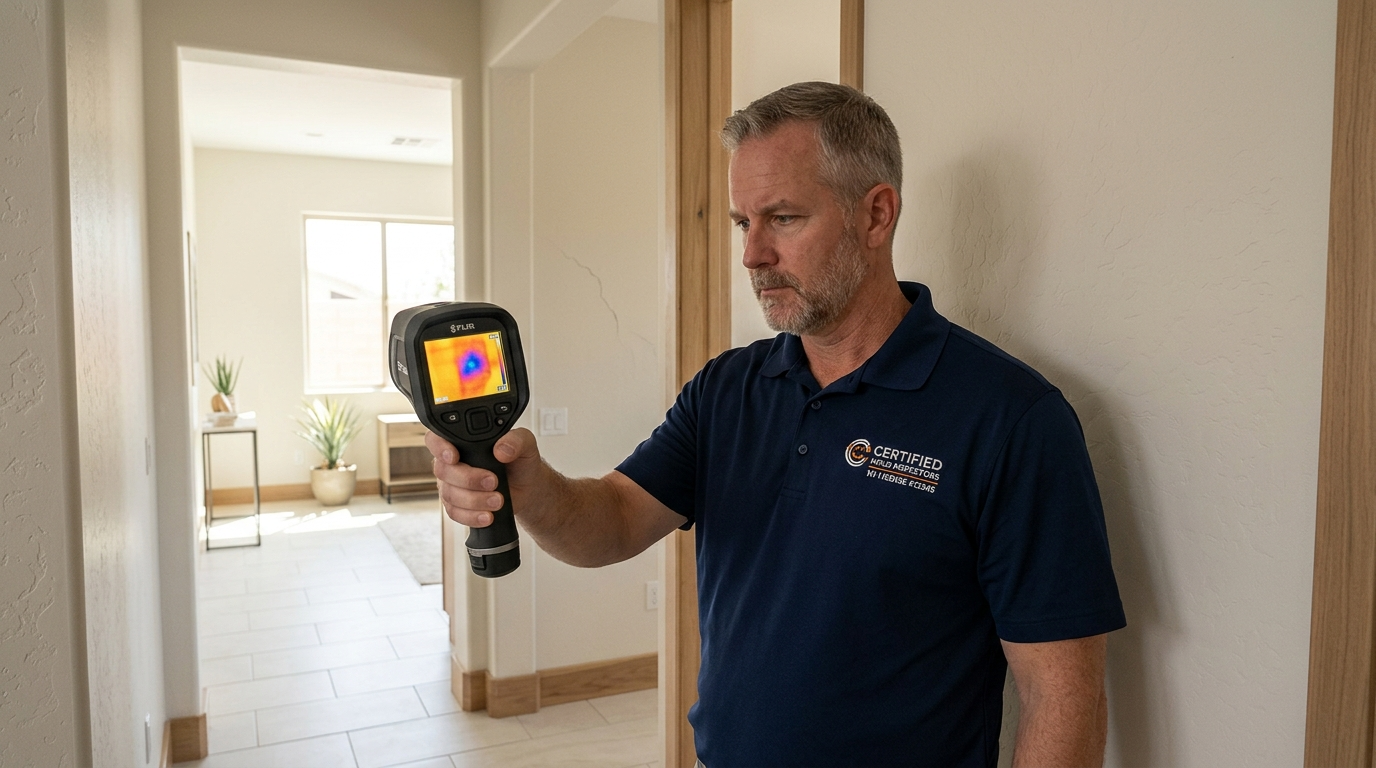
Mold does not usually appear without moisture. In insurance-related situations, that moisture source is often central to the claim. If a covered water event occurred, mold testing can support the documentation process by showing what happened after the loss and how far conditions may have spread.
A professional mold assessment may help with:
- confirming whether elevated mold conditions exist beyond what is visible
- identifying rooms, surfaces, or air spaces affected by contamination
- distinguishing between minor surface growth and more significant indoor air quality concerns
- supporting the scope of remediation recommended after a leak or water intrusion event
- creating a time-stamped record of findings that may be useful during claim review
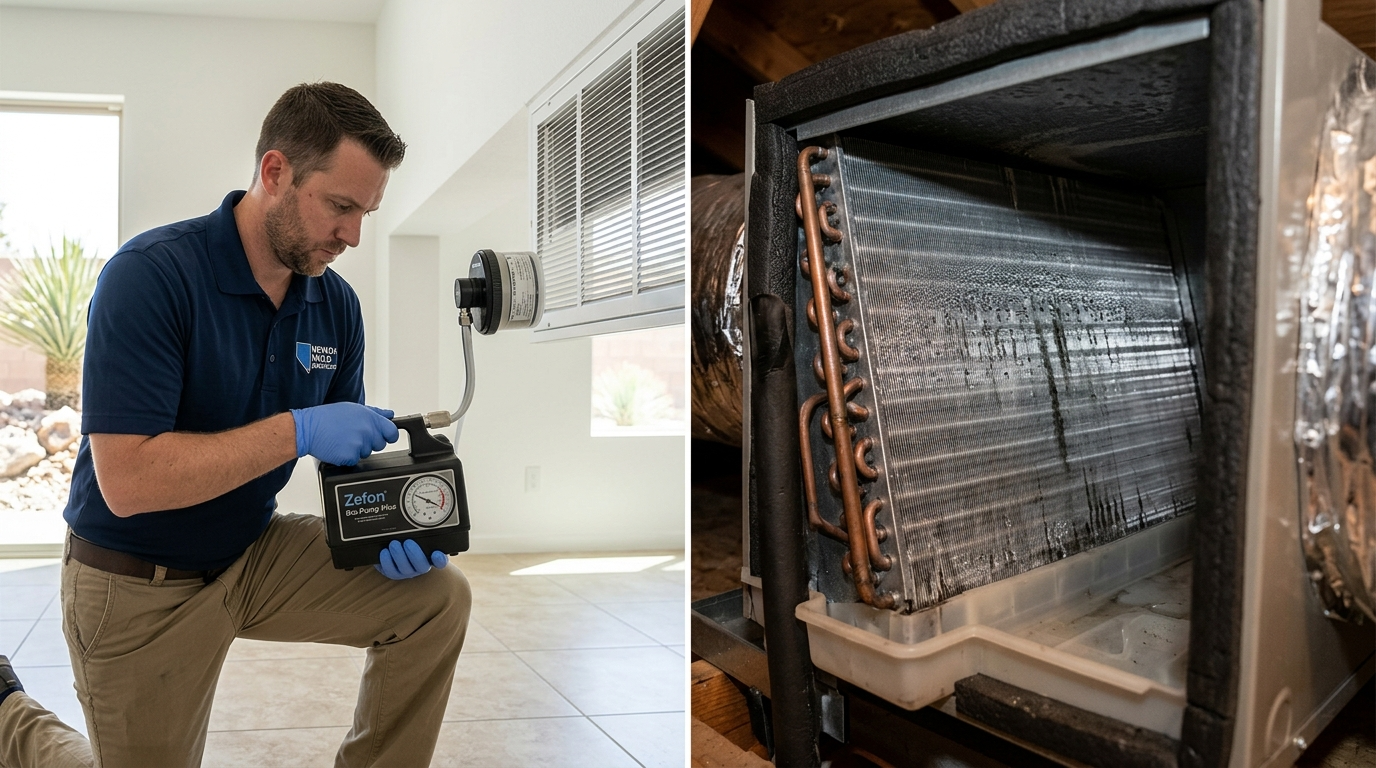
This is especially important because visible mold is only part of the picture. In some cases, contaminated air or hidden growth behind walls, under flooring, or inside HVAC areas may not be obvious at first. Testing can help reveal whether the damage is more extensive than surface appearance suggests.
Common Insurance Challenges in Mold-Related Property Claims
Many homeowners assume that once mold is found, insurance will automatically pay for removal. Unfortunately, that is not always how claims work. Coverage often depends on the cause of loss, policy language, timelines, and whether the property owner acted reasonably once the issue was discovered.
Some of the most common claim challenges include delayed reporting, uncertainty about the original water source, lack of documentation, and disputes over how much remediation is actually necessary. Insurers may question whether mold resulted from a sudden incident or from long-term humidity, deferred maintenance, or unresolved leaks.
This is where mold testing becomes especially useful. While testing does not determine insurance coverage by itself, it can strengthen the factual side of the claim. It gives all parties something more reliable than opinion alone. In a disputed situation, objective sampling and professional interpretation may help reduce confusion about the severity of the issue and the appropriate response.
Who Benefits Most From Professional Mold Testing During a Claim
Mold testing can be valuable for homeowners, landlords, property managers, commercial building owners, and tenants dealing with documented water damage. It is particularly helpful when there is visible mold after a leak, a musty odor with no obvious source, health concerns among occupants, or disagreement about whether remediation is necessary.
It is also beneficial when multiple parties are involved. Insurance claims often bring together owners, occupants, adjusters, contractors, and restoration teams. A neutral mold inspection report can provide a clearer foundation for communication. That can help prevent costly misunderstandings and reduce the risk of incomplete cleanup.
For families with children, seniors, or individuals with asthma, allergies, or other respiratory sensitivities, having accurate testing performed can also support faster and more informed decisions about indoor environmental conditions.
Las Vegas Conditions Can Complicate Hidden Moisture and Mold Problems
Many people assume mold is less of a concern in the desert, but Las Vegas properties are not immune. Mold can grow anywhere moisture is present, even in arid climates. Indoor plumbing leaks, roof failures, slab moisture issues, HVAC condensation, and appliance malfunctions can all create conditions for growth.
Because mold is less expected in a dry climate, hidden problems sometimes go unnoticed longer than they should. A small leak behind a wall or under a sink may not draw immediate concern until odor, discoloration, or health symptoms appear. In insurance claims, that delay can create questions about timeline and cause. Professional testing helps bring clarity to those situations by documenting current conditions and helping define the scope of the problem.
What Professional Mold Testing Looks Like in an Insurance Context
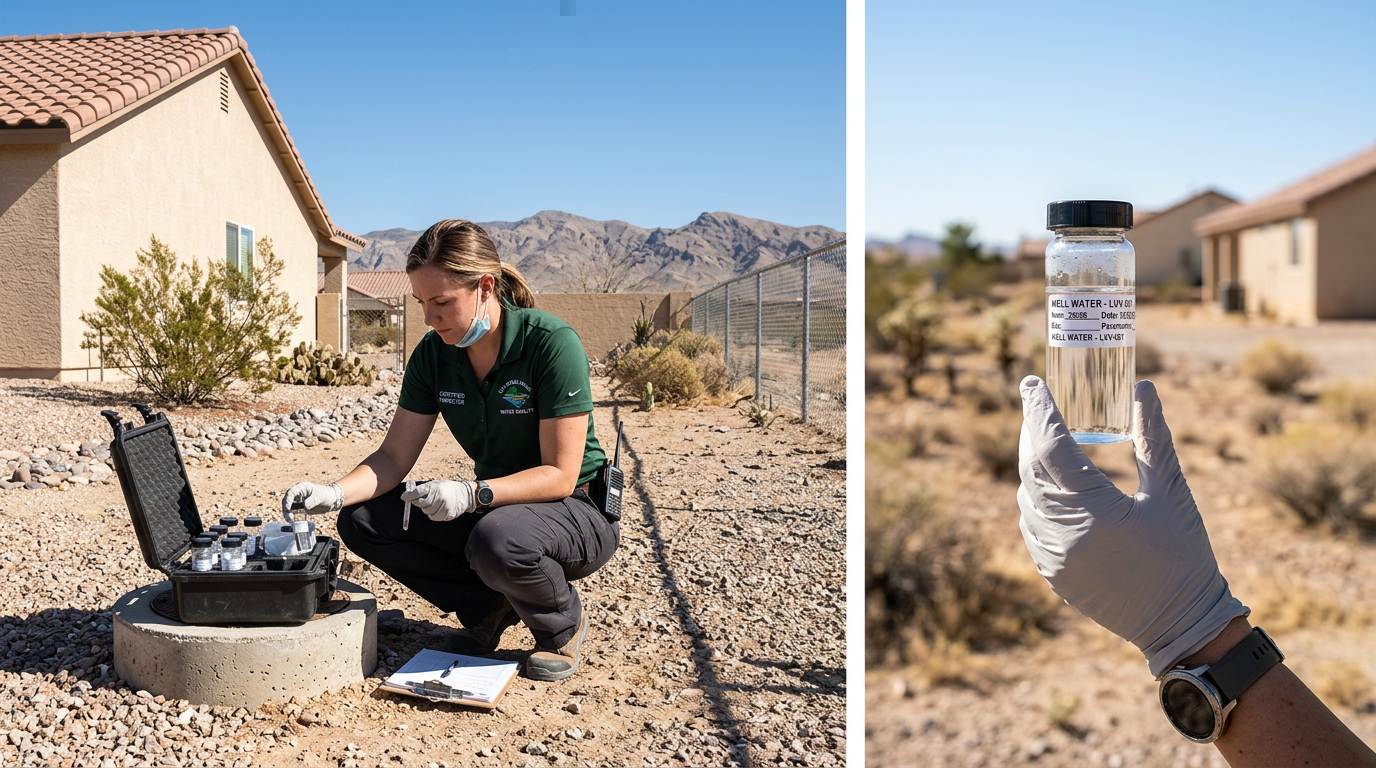
Professional mold testing should be systematic, unbiased, and clearly documented. A qualified mold inspector typically begins with a visual assessment and moisture investigation, then recommends sampling when it is appropriate to answer specific questions. Depending on the conditions, this may include air samples, surface samples, or both.
The final report should explain the findings in plain language. It should outline where samples were collected, what laboratory results showed, and how those findings relate to the property conditions observed during the inspection. In an insurance context, this kind of reporting is useful because it helps connect field observations with verifiable data.
At Las Vegas Mold Testing, the goal is not to create alarm. It is to provide precise information so property owners can move forward with confidence. A proper assessment can help support conversations with insurers, guide remediation planning, and establish whether post-remediation clearance testing may also be appropriate before rebuilding or reoccupancy.
Practical Steps to Take If You Need Mold Testing for an Insurance Claim
If you suspect mold after water damage, timing matters. Delays can make both the contamination and the claim process harder to manage. Start by documenting what you see, including the date the problem was discovered, the apparent source of water, affected rooms, and any visible damage.
Then take these steps:
- report the loss to your insurance carrier as soon as possible
- avoid disturbing suspected mold growth more than necessary
- arrange for an independent mold inspection and testing service
- keep records of leak repairs, mitigation work, communications, and invoices
- ask whether clearance testing is recommended after remediation is complete
This approach helps create a more complete record and can reduce uncertainty as the claim moves forward.
MOLD TESTING FAQ
Does mold testing guarantee my insurance company will cover the claim?
No. Coverage depends on your policy terms and the cause of loss. Mold testing supports documentation, but it does not override exclusions or coverage limits.
Is visible mold enough for an insurance claim?
Visible mold may indicate a problem, but testing can help determine the extent of contamination and provide objective evidence to support the claim file.
Should I get mold testing before remediation starts?
In many cases, yes. Pre-remediation testing can document conditions before cleanup changes the evidence. That can be helpful when the extent of damage is being reviewed.
Can mold testing help after remediation too?
Yes. Post-remediation verification or clearance testing can help confirm that cleanup was effective and that indoor conditions have improved before reconstruction or occupancy resumes.
Get Clear Mold Documentation Before Your Claim Moves Forward
If you are dealing with mold after a leak, flood, or other water damage event, professional testing can give you the documentation needed to make informed decisions. Las Vegas Mold Testing provides detailed mold inspections and testing designed to clarify the extent of contamination and support the next stage of your insurance, remediation, or property recovery process. Contact Las Vegas Mold Testing today to schedule a professional assessment and get reliable answers backed by objective data.
Contact Form
Check Out Our Other Environmental Blogs!