Why Children Face Higher Health Risks from Mold Exposure in the Home
The Short Explanation Parents Need to Know
Children are more vulnerable to mold exposure than adults because their bodies are still developing, they breathe more air relative to their size, and their immune systems are not fully mature. When mold grows indoors, especially in places like bathrooms, kitchens, HVAC systems, or behind walls after water damage, children can experience stronger and longer lasting health effects than adults exposed to the same environment.
For families in Las Vegas, where hidden plumbing leaks and evaporative cooling systems are common, this risk often goes unnoticed until symptoms appear.
Why Mold Exposure Impacts Children More Than Adults
A child’s body is constantly growing and adapting. This makes them especially sensitive to airborne contaminants like mold spores and microbial fragments.
Key biological factors increase risk:
• Children breathe faster than adults, meaning they inhale more air and more spores relative to body weight
• Their lungs and airways are still developing and more easily irritated
• Immune systems are less experienced at recognizing and managing environmental threats
• Detoxification systems are not as efficient as in adults
Because of this, mold exposure that causes mild irritation in an adult can trigger significant respiratory or neurological symptoms in a child.
Common Symptoms of Mold Exposure in Children
Mold related symptoms in children are often misattributed to seasonal allergies or frequent colds. In reality, ongoing exposure can create chronic issues that do not resolve without addressing the indoor environment.
Symptoms may include:
• Persistent coughing or wheezing
• Frequent sinus infections or congestion
•
Asthma flare ups or new asthma development
• Skin rashes or unexplained itching
• Headaches or difficulty concentrating
• Chronic fatigue or irritability
• Recurrent ear infections
According to guidance aligned with organizations like the Centers for Disease Control and Prevention, prolonged mold exposure can worsen asthma and respiratory conditions in children, even at levels that do not affect adults in the same household.
How Children Are Exposed Inside the Home
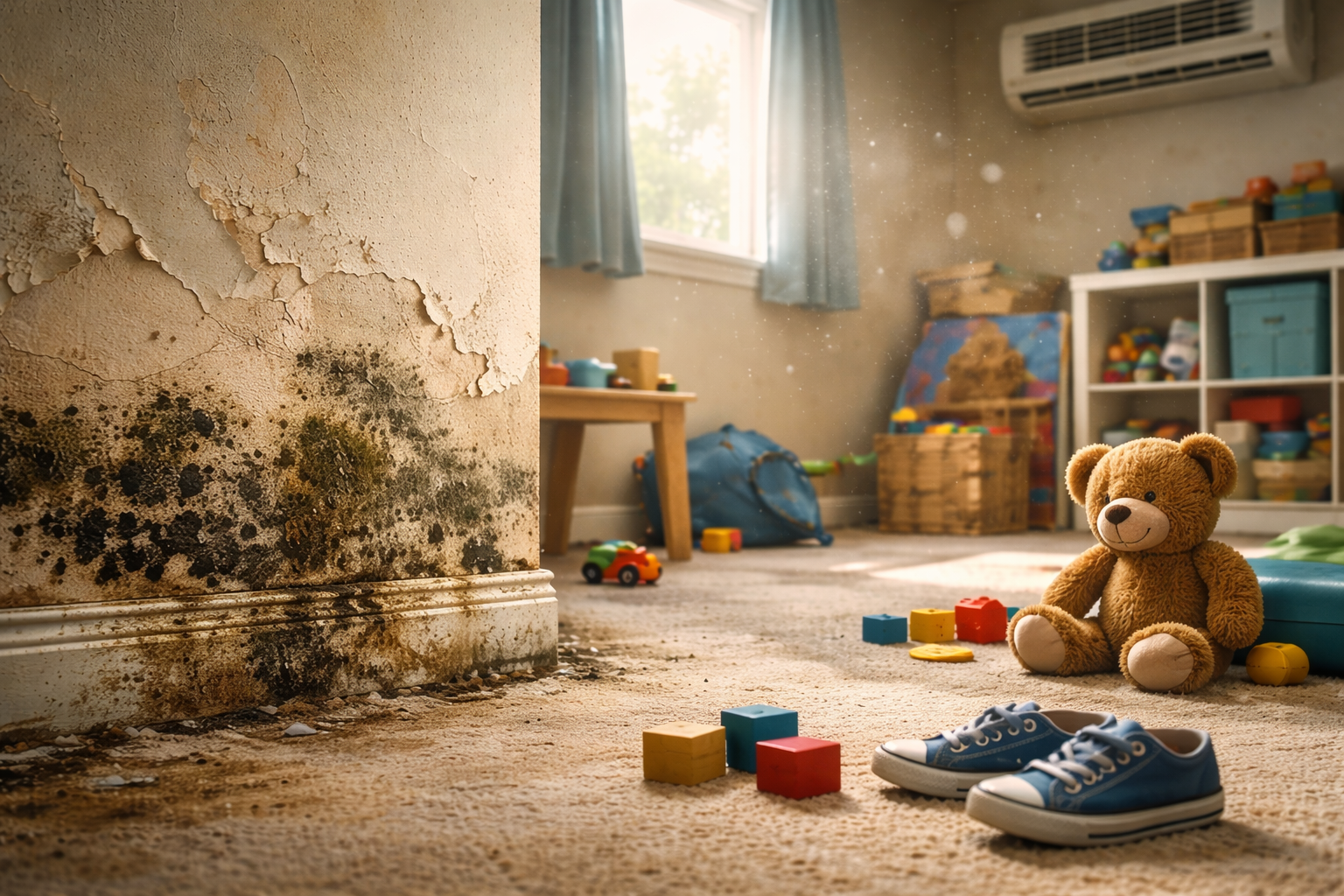
Children often spend more time close to the floor, where mold spores and settled dust are more concentrated. Crawling, playing, and lying on carpets or rugs increases exposure through both inhalation and skin contact.
Common indoor exposure sources include:
• Bathrooms with poor ventilation
• Water damaged drywall or baseboards
• Leaks under sinks or behind appliances
• Carpeted areas affected by past moisture
• Air conditioning systems with microbial growth
• Closets or storage areas with limited airflow
In desert climates like Las Vegas, mold often grows out of sight. A small plumbing leak can fuel mold growth behind walls for months without visible signs, all while spores circulate through the home.
Long Term Health Concerns for Developing Bodies
The concern with mold exposure in children is not only immediate symptoms, but also potential long term effects. Repeated inflammation during critical growth periods can influence lung capacity, immune response patterns, and overall resilience to environmental stressors.
Potential long term impacts include:
• Increased likelihood of asthma persisting into adulthood
• Greater sensitivity to allergens later in life
• Recurrent respiratory illnesses
• Academic and behavioral challenges related to sleep disruption and inflammation
While research continues to evolve, clinical observation consistently shows that children removed from mold affected environments often experience noticeable improvement in overall health and behavior.
Why Visual Mold Is Not Required for Risk
One of the most dangerous misconceptions is that mold must be visible to be harmful. In many cases, the most problematic mold growth is hidden behind walls, under flooring, or inside air handling systems.
Airborne spores and fragments are microscopic. Children can be exposed daily without any obvious warning signs in the home. Odors, unexplained health symptoms, or a history of water damage are often the only clues.
What Professional Mold Testing Looks Like for Families
Professional mold testing focuses on identifying whether a child’s environment is contributing to health issues, not just whether mold can be seen.
A proper assessment typically includes:
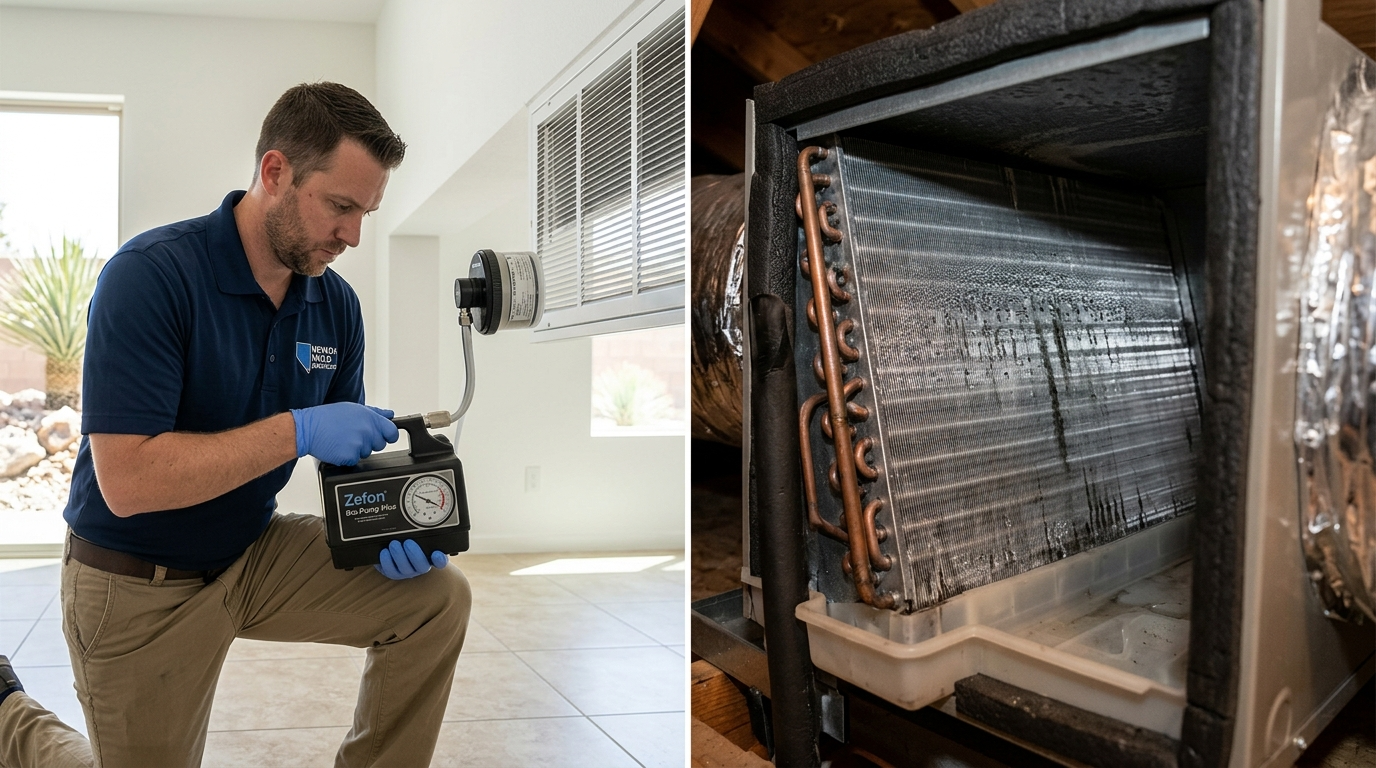
• Air sampling to measure spore concentrations indoors and outdoors
• Surface testing in suspected problem areas
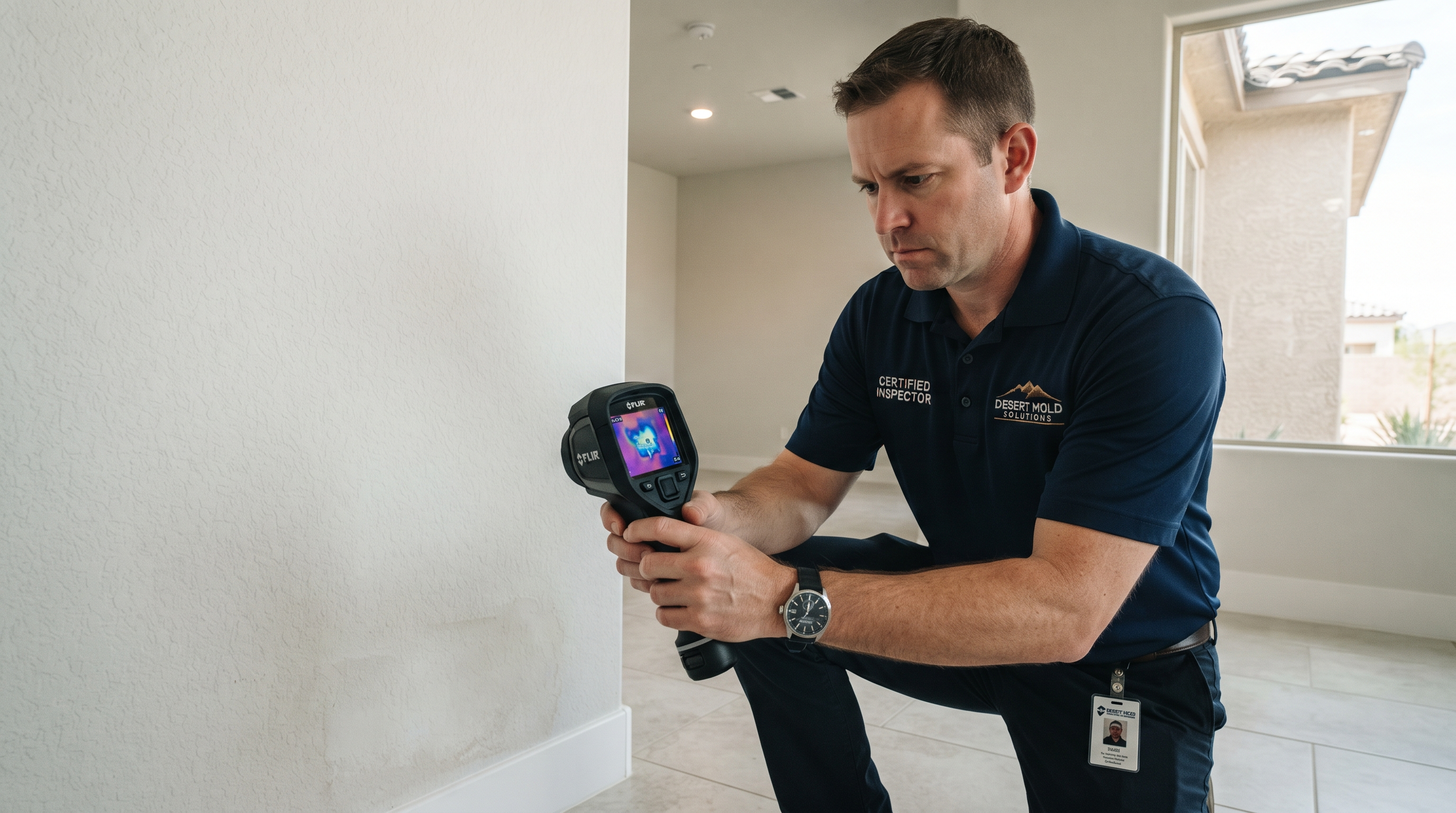
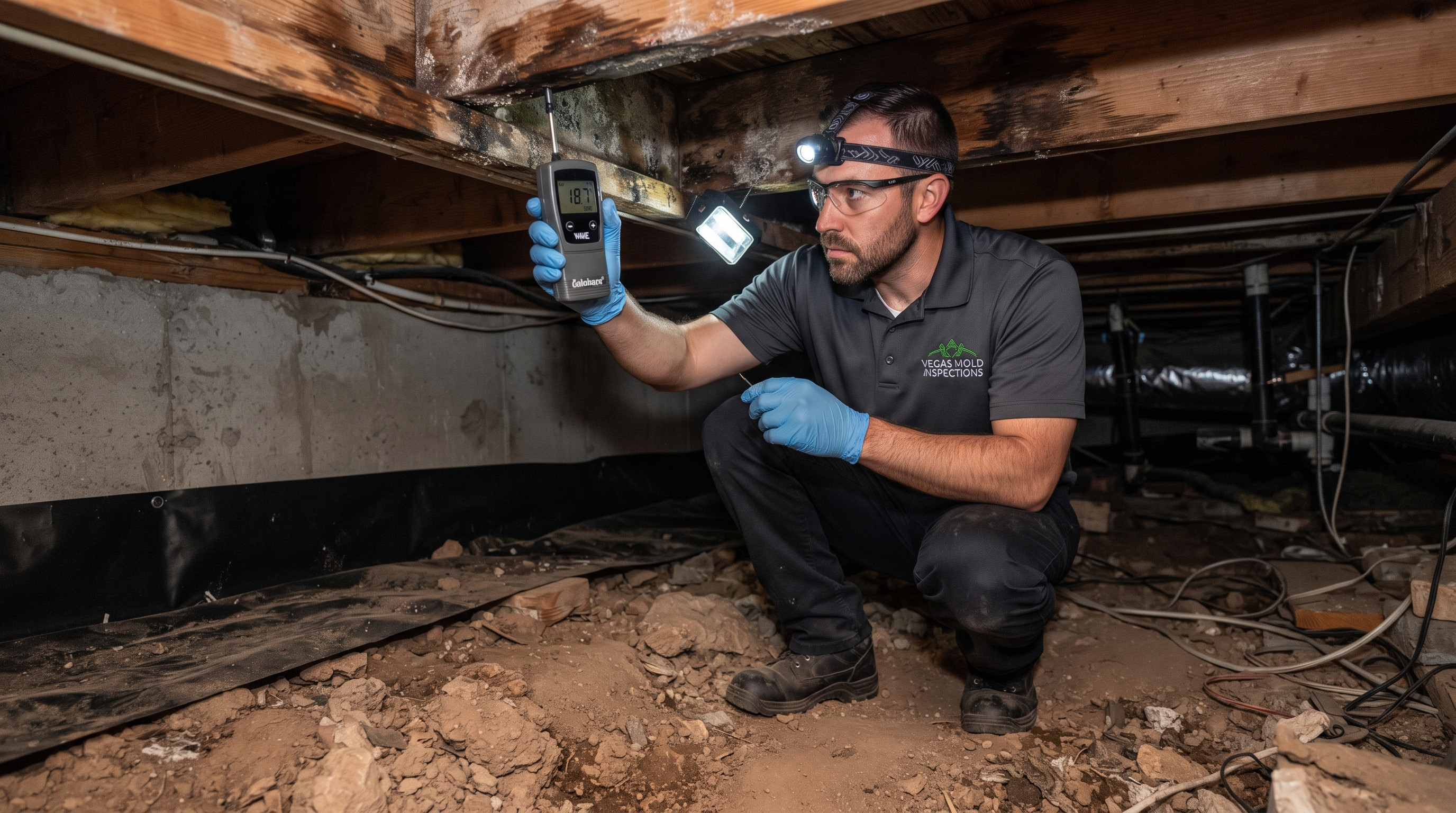
• Moisture detection to locate hidden sources
• Interpretation based on health sensitive thresholds, not just raw numbers
For families with children, especially those with asthma or immune sensitivities, precision matters. Accurate testing helps guide decisions without unnecessary alarm or guesswork.
Steps Parents Can Take Right Now
If you are concerned about mold exposure affecting your child, proactive steps can make a real difference.
Recommended actions include:
• Address any water leaks immediately
• Use bathroom and kitchen ventilation consistently
• Avoid carpeting in moisture prone areas
• Monitor indoor humidity levels
• Pay attention to recurring health symptoms
• Schedule professional mold testing if concerns persist
Early identification is far easier and less disruptive than waiting until mold growth becomes extensive.
Who Should Be Especially Concerned
Mold testing is particularly important for households where:
• Children have asthma or allergies
• Infants or toddlers are present
• A home has experienced past water damage
• Symptoms improve when leaving the house
• Multiple family members feel unwell indoors
In these cases, environmental testing provides clarity and peace of mind.
Why Families Trust Las Vegas Mold Testing
Las Vegas Mold Testing approaches every home with a health first mindset. Our assessments are educational, unbiased, and focused on protecting vulnerable occupants, especially children. We do not perform remediation, which means our results are objective and solely based on data and building science.
Our team understands desert climate challenges, hidden moisture risks, and the importance of clear communication for parents making decisions about their child’s health.
Schedule Answers, Not Assumptions
If you suspect mold may be affecting your child’s health, do not wait for symptoms to worsen. Professional testing can help you understand what is in your air and where it is coming from.
Contact Las Vegas Mold Testing today to schedule a thorough, child focused mold assessment and take the first step toward a healthier home.
Contact Form
Check Out Our Other Environmental Blogs!