How Mold Exposure Intensifies Asthma and Allergy Symptoms in Las Vegas Homes
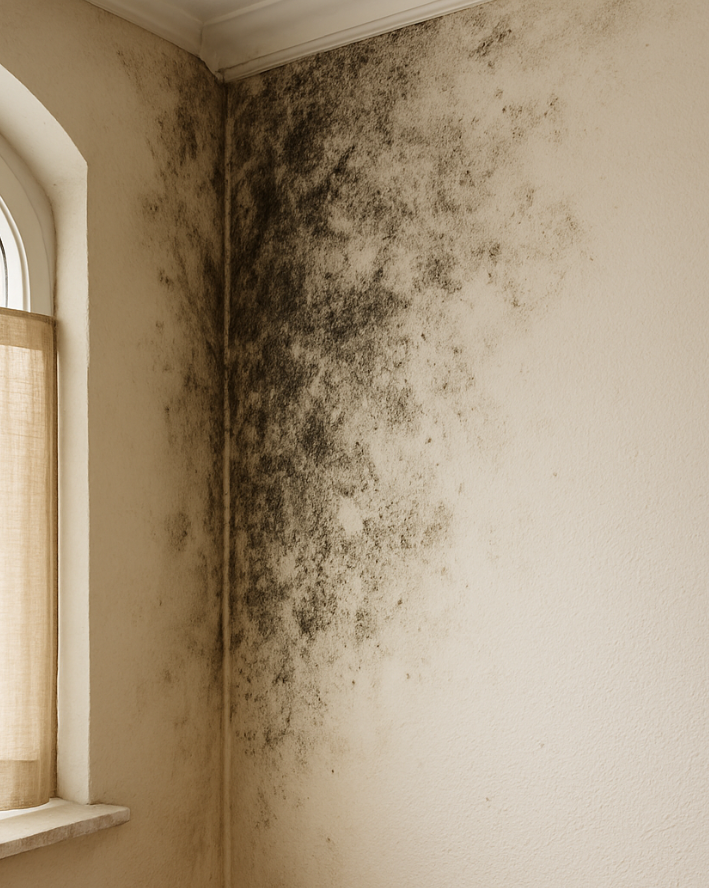
Mold exposure is a well documented trigger for both asthma flare ups and allergy symptoms, and in a dry climate like Las Vegas, indoor moisture issues can make the problem worse than many residents expect. Understanding how mold interacts with the respiratory system helps homeowners protect vulnerable family members and make informed decisions about testing and remediation.
Why Mold Related Respiratory Stress Matters for Your Health
When mold grows indoors, it releases microscopic spores and fragments that travel easily through the air. For individuals with asthma or allergies, these particles can irritate the airways, cause inflammation, and worsen sensitivity to environmental triggers. Even low level mold exposure can contribute to chronic symptoms, making home air quality a critical part of managing respiratory health.
How Mold Exposure Aggravates Asthma and Allergy Conditions
Mold affects the respiratory system in several clinically recognized ways:
• Airway inflammation: Mold spores act as irritants that prompt the body to produce histamines, leading to swelling and tightening of the bronchial passages.
• Heightened sensitivity: Repeated exposure increases the body's reactivity to allergens, causing more frequent or severe asthma attacks.
• Immune system response: Individuals with allergies may experience an overactive immune response, resulting in symptoms like congestion, itchy eyes, coughing, and skin irritation.
• Increased mucus production: Mold can stimulate mucus glands, making it harder to breathe, especially for individuals with asthma.
• Long term airway stress: Chronic exposure may contribute to persistent wheezing and reduced lung function over time.
For children, seniors, and anyone with compromised immune or respiratory systems, these reactions can escalate quickly and require medical intervention.
Who Is Most at Risk From Mold Related Asthma and Allergy Flares
Anyone can experience discomfort from mold exposure, but certain groups face a higher likelihood of significant respiratory impact:
• Individuals with diagnosed asthma
• Allergy sufferers, especially those sensitive to fungi
• Children whose airways are still developing
• Seniors with reduced lung capacity
• Anyone with chronic sinus issues or immune conditions
• Homeowners living with hidden water damage or past flooding
Recognizing vulnerability helps families take preventive action before symptoms worsen.
Las Vegas Specific Conditions That Affect Mold and Respiratory Health
While Las Vegas is known for its dry climate, indoor environments often tell a different story. Swamp coolers, plumbing leaks, improperly sealed windows, and high humidity bathrooms can create pockets of moisture ideal for mold growth. Because outdoor humidity is typically low, homeowners may not suspect mold as the cause of respiratory symptoms, leading to prolonged exposure before the problem is discovered.
In addition, sudden monsoon moisture or leaking irrigation systems can introduce water into areas that are rarely inspected, such as wall cavities or attic spaces. These hidden zones allow mold to spread quietly while irritants circulate through HVAC systems.
What Professional Mold Testing Looks Like in a Respiratory Concern Case
When asthma or allergy symptoms suggest possible mold exposure, professional testing offers clarity. A clinical style inspection typically includes:
• Moisture mapping to identify hidden water sources
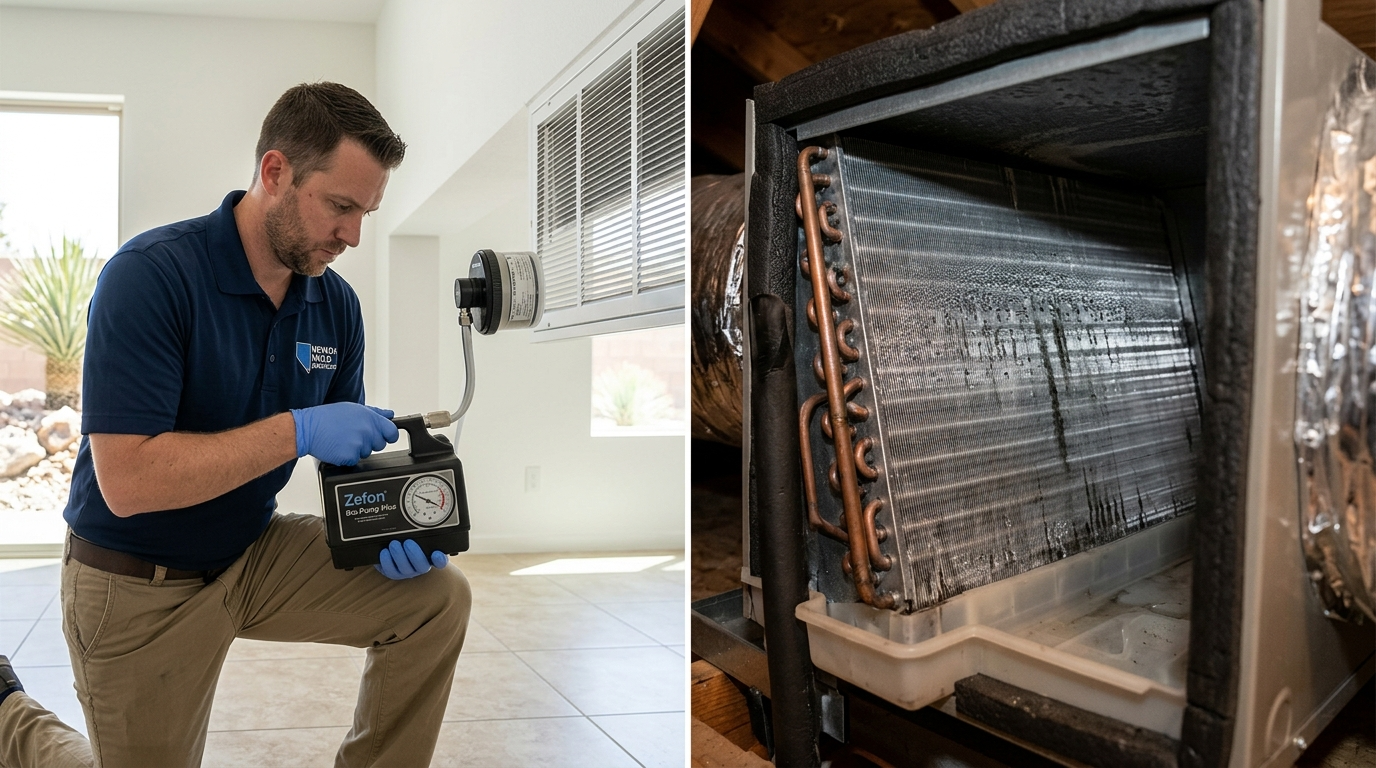
• Air sampling to measure spore concentrations
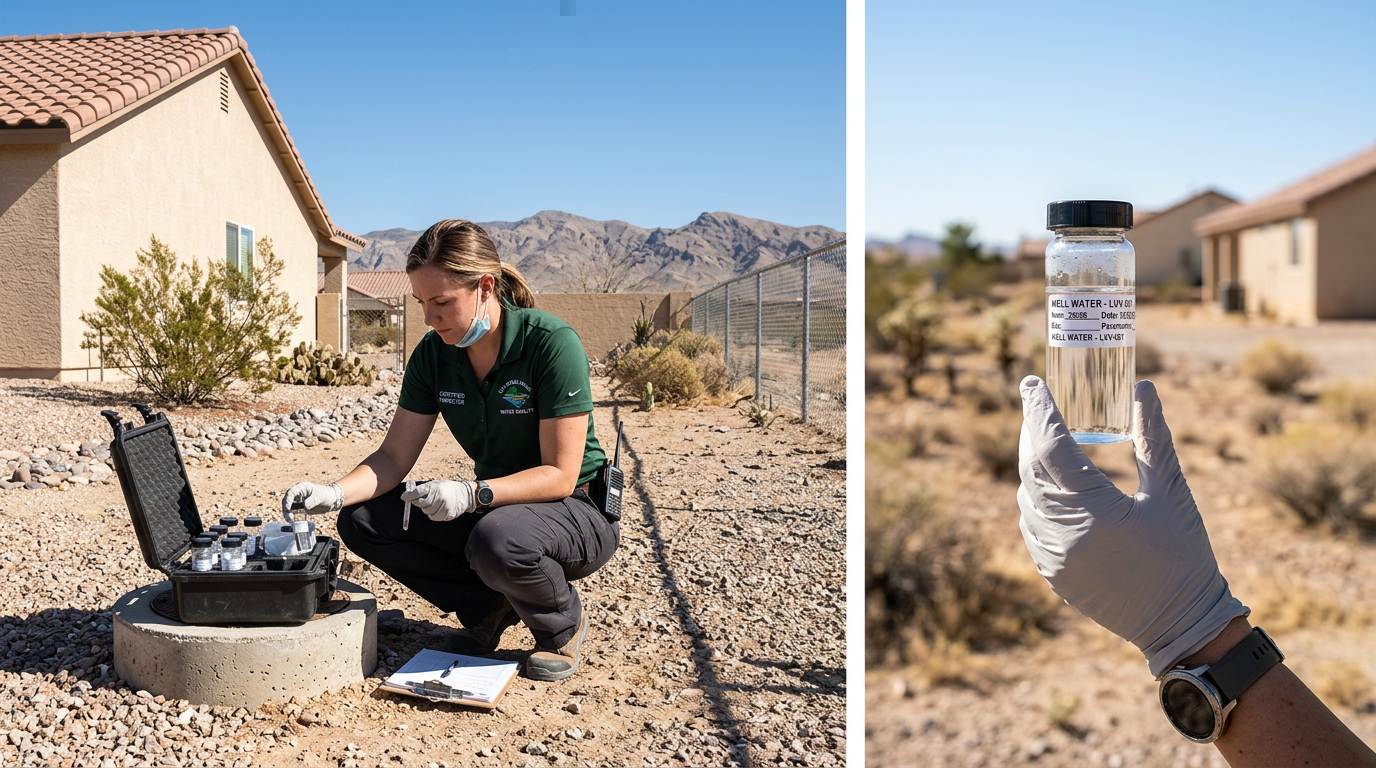
• Surface sampling for species identification
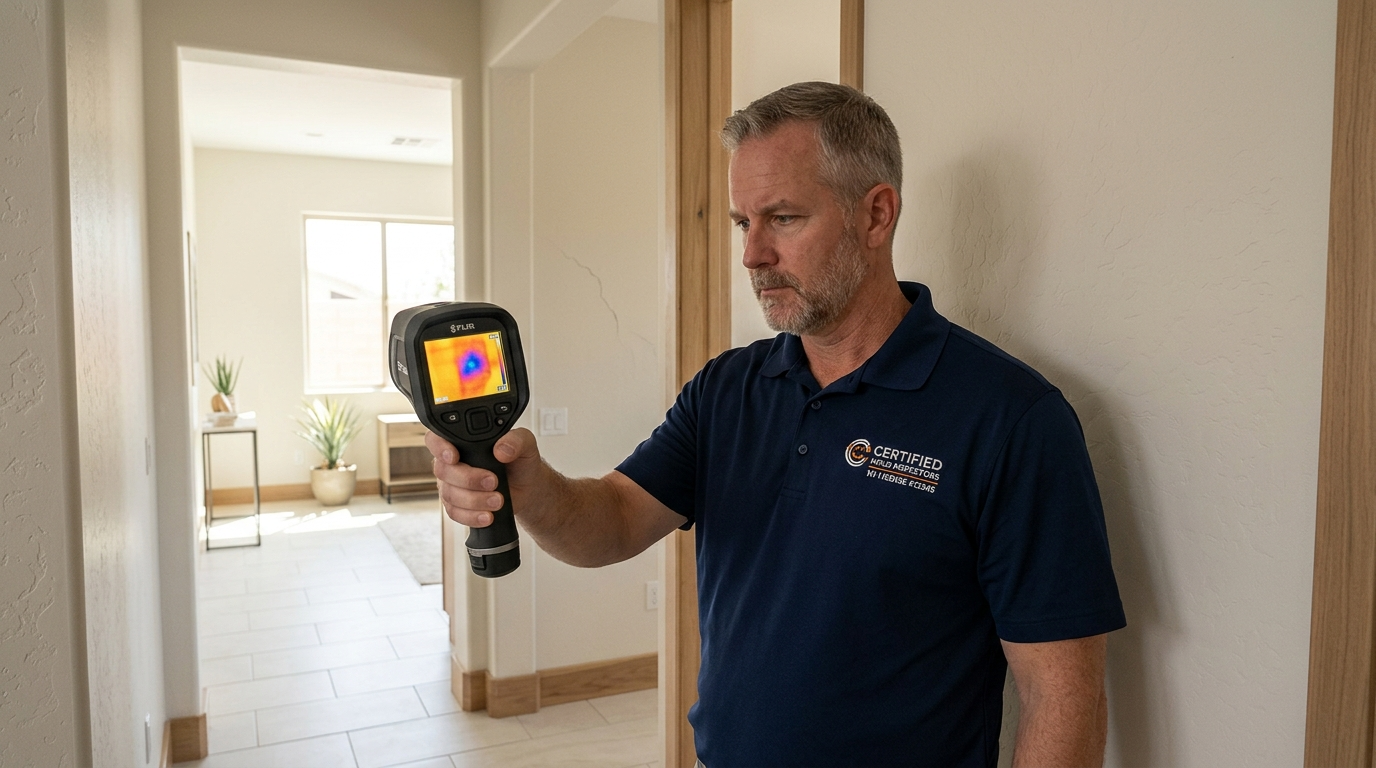
• Thermal imaging to locate moisture behind walls
• Detailed lab analysis that distinguishes harmful molds from benign spores
Precise, scientific testing helps determine whether mold is contributing to respiratory symptoms and guides next steps for safe remediation. At Las Vegas Mold Testing, results are explained in clear, medically aware language so families understand exactly what exposure levels mean for health and safety.
Actionable Steps Homeowners Can Take Right Now
While testing provides the most definitive answers, the following steps help reduce immediate exposure:
• Increase ventilation by running exhaust fans and opening windows when humidity allows.
• Replace HVAC filters with high quality allergen reducing models.
• Address visible leaks, drips, or condensation promptly.
• Clean bathroom and kitchen surfaces regularly to prevent surface mold.
• Reduce indoor humidity by using dehumidifiers in moisture prone areas.
• Avoid disturbing visible mold, which can release more spores into the air.
These measures can improve comfort, but they should not replace professional evaluation when respiratory symptoms persist.
Frequently Asked Questions About Mold, Asthma, and Allergy Links
Can mold cause asthma, or only worsen existing cases?
Research shows mold can contribute to the development of asthma in children and also aggravate symptoms in those already diagnosed.
Is all mold harmful to people with allergies or asthma?
Not all mold species are toxic, but even common household mold can trigger symptoms in sensitive individuals.
Can a home test kit determine whether mold is affecting my breathing?
DIY kits rarely provide the accuracy, context, or lab detail needed for clinical decision making. Professional testing is recommended for health related concerns.
If symptoms improve when I leave home, is mold the likely cause?
It is a strong indicator, though not definitive. Testing confirms whether mold levels differ between environments.
Why Choose Las Vegas Mold Testing When Respiratory Health Is at Stake
Las Vegas Mold Testing provides precise, scientifically grounded assessments tailored to families concerned about asthma, allergies, and overall indoor air quality. Our clinical approach, advanced diagnostics, and clear reporting allow homeowners to make informed, health centered decisions without guesswork. We prioritize safety, accuracy, and transparent guidance from the first inspection to final recommendations.
If you suspect mold may be affecting your respiratory health, schedule a professional mold test today and get the answers you need to protect your home and family.
Contact Form
Check Out Our Other Environmental Blogs!